Vietnam

Old Quarter Residential Streets, Hanoi Vietnam
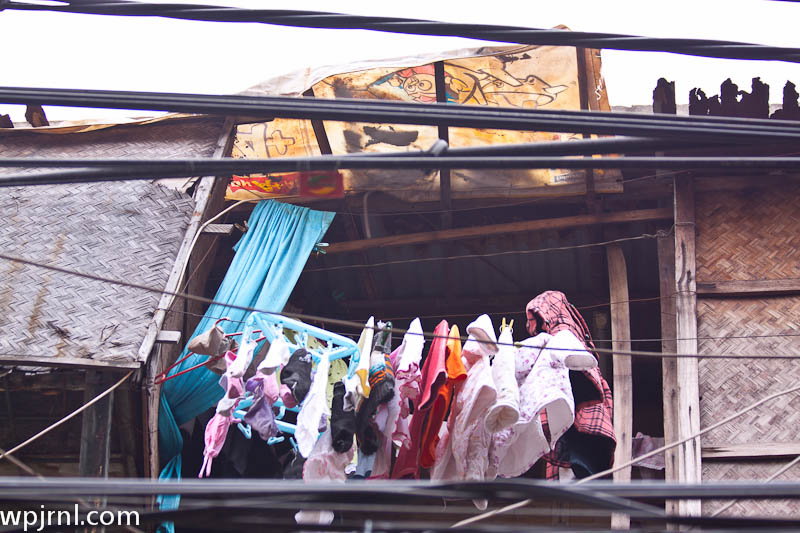
Old Quarter Residential Streets, Hanoi Vietnam
Experience authentic daily life in Hanoi’s historic Old Quarter, where laundry hangs from narrow street-facing windows and centuries-old architecture meets vibrant urban living.

Hanoi’s Old Quarter is a mesmerizing labyrinth of narrow streets and densely packed buildings that showcase the real, unfiltered life of Vietnam’s capital. Here, residents live vertically in centuries-old tube houses, and the intimate details of daily existence—like clotheslines draped across windows and balconies—tell the story of how generations have adapted to limited space. The area pulses with energy from street vendors, motorbikes weaving through alleys, and the unmistakable character of a neighborhood that has remained largely unchanged for hundreds of years. Walking through these streets offers visitors a glimpse into authentic Vietnamese urban culture far removed from tourist-focused attractions.

The architectural style reflects French colonial influence mixed with traditional Vietnamese design, creating a unique aesthetic where modern life somehow coexists within historic frameworks. Laundry fluttering from windows is not merely practical—it’s a symbol of the quarter’s authenticity, representing the resourcefulness and resilience of residents maximizing every square inch of their homes.

Highlights

  • Narrow tube houses stacked vertically with street-level shops and upper residential floors
  • Authentic street food vendors selling traditional Vietnamese specialties daily
  • Historic architecture blending French colonial and traditional Vietnamese styles
  • Dense network of alleys creating an intimate, lived-in neighborhood atmosphere
  • Genuine local life on display, from laundry to family businesses operating from storefronts

What to Do

  • Wander the narrow streets on foot, exploring hidden alleyways and discovering local shops and eateries
  • Visit early morning to observe residents beginning their day and street vendors setting up
  • Photograph the architectural details, street scenes, and everyday moments that define the quarter
  • Sample street food from local vendors for an authentic culinary experience
  • Take a cyclo (traditional three-wheeled taxi) tour to navigate the quarter with local insight

Best Time to Visit

October to April offers cooler, drier weather perfect for exploring on foot. Spring (March-April) brings blooming flowers, while autumn (September-October) provides crisp air ideal for photography.

Getting There

Located in central Hanoi, the Old Quarter is easily accessible by taxi, grab bike, or local bus. Most hotels in Hanoi can arrange transportation, or visitors can take a short taxi ride from Hanoi’s main train station.

Visitor Tips

  • Wear comfortable walking shoes with good grip—streets are narrow and often uneven
  • Go early morning (6-8 AM) for the most authentic atmosphere and fewer crowds
  • Respect residents’ privacy when photographing; ask permission before shooting into homes or at people
  • Keep valuables secure in crowded areas; watch for pickpockets on busy streets
  • Learn a few Vietnamese phrases to interact warmly with local shopkeepers and vendors

Nearby

  • Hoan Kiem Lake—the heart of Hanoi with temple, gardens, and walking paths
  • Temple of Literature—Vietnam’s first university and a serene cultural landmark
  • St. Joseph’s Cathedral—historic French colonial church in the city center
  • Hanoi Night Market—famous evening street market for shopping and street food

The Old Quarter of Hanoi is where the soul of Vietnam’s capital truly resides. Beyond the guidebooks and tourist trails, you’ll find a living, breathing neighborhood where time moves differently and authenticity is woven into every alley, storefront, and clothesline. This is where you connect with real Hanoi—chaotic, colorful, and utterly captivating. Come experience the genuine pulse of urban Vietnam.

Location Map

Old Quarter Residential Streets, Hanoi Vietnam Read More »
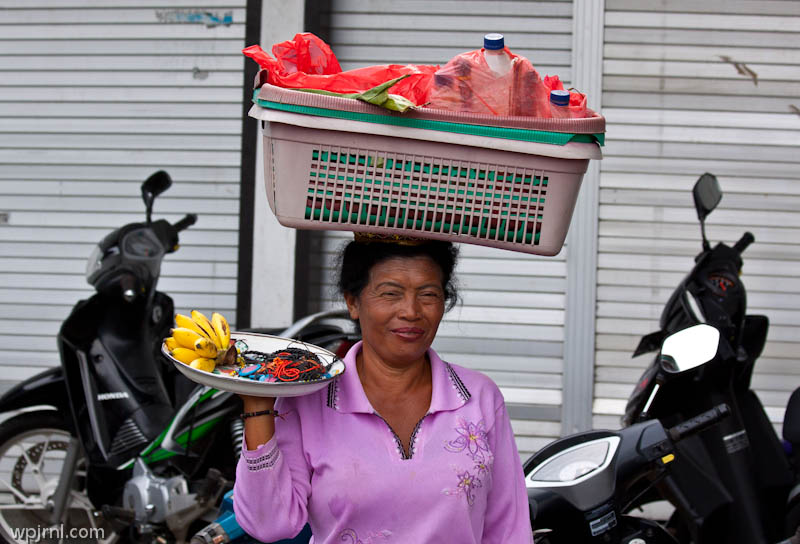
Street Markets of Southeast Asia – Vietnam

Street Markets of Southeast Asia - Vietnam
Experience the vibrant energy of authentic Southeast Asian street commerce where vendors skillfully balance tradition with commerce.

This photo captures the essence of Southeast Asian street culture, where resourceful vendors navigate daily commerce with remarkable ingenuity and cheerful determination. The scene showcases the everyday reality of street commerce in Vietnam, where motorcycles serve as mobile shops and vendors transform simple vehicles into mobile markets. The woman’s warm smile and impressive head-balancing technique—a traditional skill passed down through generations—exemplifies the resilience and entrepreneurial spirit that defines street life in Vietnam’s bustling urban centers.

Highlights

  • Traditional head-balancing technique used by street vendors across Southeast Asia
  • Authentic street commerce with motorcycles as mobile shops
  • Vibrant local produce and goods sold directly from the streets
  • Deep cultural insight into daily Vietnamese market life
  • Warm hospitality and human connection in informal commerce

What to Do

  • Explore local street markets early in the morning for the freshest produce and authentic interactions
  • Photograph street vendors and their unique selling methods
  • Sample fresh fruits and street food directly from vendors
  • Learn about traditional Vietnamese trading practices and cultural customs
  • Support local vendors by purchasing handmade goods and fresh items

Best Time to Visit

Early morning (6-9 AM) offers the best lighting and most active street commerce, with cooler temperatures ideal for exploring markets

Getting There

Navigate to major Vietnamese cities like Hanoi or Ho Chi Minh City where street markets operate daily on residential streets and near transportation hubs

Visitor Tips

  • Visit early morning for the freshest goods and most active vendor activity
  • Always ask permission before photographing vendors—most appreciate respect and courtesy
  • Carry small denominations of Vietnamese Dong for purchases
  • Be mindful of traffic and motorcycle congestion in market areas
  • Learn basic Vietnamese phrases to communicate and show respect

Nearby

  • Old Quarter, Hanoi – historic neighborhood with traditional street markets
  • Ben Thanh Market, Ho Chi Minh City – iconic covered market
  • Floating Markets of Mekong Delta – water-based commerce tradition

The street markets of Southeast Asia represent the beating heart of local culture and commerce. These scenes of daily life, captured through the genuine warmth of vendors like the one pictured, offer visitors an unfiltered glimpse into authentic Vietnamese society. By visiting these markets, you support local livelihoods while gaining memories and perspectives that no organized tour can provide.

Location Map

Street Markets of Southeast Asia – Vietnam Read More »

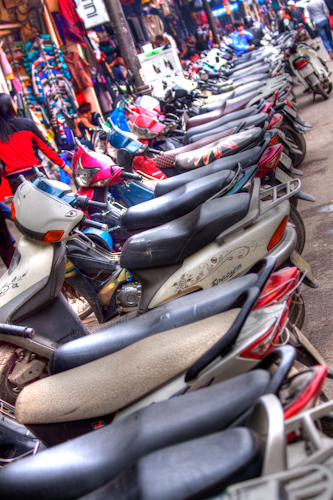
Hanoi Motorcycle Parking, Old Quarter Hanoi Vietnam

Hanoi Motorcycle Parking, Old Quarter Hanoi Vietnam
A vibrant snapshot of Hanoi’s iconic two-wheeled transportation culture and bustling street life.

Hanoi’s streets are dominated by motorcycles, a defining feature of this dynamic Southeast Asian capital. This image captures a typical motorcycle parking area in the Old Quarter, where rows of scooters and bikes are lined up in organized chaos—a common sight throughout the city. With over 4 million motorcycles navigating Hanoi’s narrow streets daily, these two-wheeled vehicles are the lifeblood of urban transportation, commerce, and daily life. The colorful collection showcases the diversity of riders and the integral role motorcycles play in Vietnamese culture.

Highlights

  • Authentic street-level view of Hanoi’s motorcycle-dependent transportation system
  • Colorful variety of bikes and scooters reflecting different brands and owner styles
  • Organized parking lots and street-side stands that are ubiquitous throughout the city
  • Gateway to experiencing the sensory overload and energy of Hanoi’s Old Quarter

What to Do

  • Rent a motorcycle and join the flow of traffic to explore the city like a local
  • Explore the narrow alleyways of the Old Quarter where motorcycles navigate tightly packed streets
  • Watch the organized chaos of motorcycle parking and street life from a café
  • Visit local repair shops and mechanics that service the countless bikes in the city
  • Take a motorbike tour with a local guide to discover hidden neighborhoods and street food

Best Time to Visit

October to November and March to April offer the most pleasant weather with cooler temperatures and lower humidity, ideal for navigating the motorcycle-filled streets.

Getting There

Fly into Noi Bai International Airport, 25km north of Hanoi. Taxis, ride-sharing apps, and airport buses connect to the Old Quarter. Once in the city, motorcycles are the primary local transport.

Visitor Tips

  • Rent a motorcycle only if you’re experienced with heavy traffic and comfortable riding in chaotic conditions
  • Wear a helmet at all times—it’s mandatory and essential for safety
  • If not riding, use grab bikes (motorcycle taxis), taxis, or organized tours to navigate the city
  • Parking is metered and organized; follow local rules to avoid fines
  • Be aware of traffic patterns: morning and evening rush hours are especially intense

Nearby

  • Hoan Kiem Lake—serene urban lake in the heart of the Old Quarter
  • St. Joseph’s Cathedral—historic French colonial church
  • Night Markets and Street Food Stalls—culinary heart of Hanoi
  • Ancient walls and gates of the Old Quarter

Hanoi’s motorcycle culture is far more than just transportation—it’s a window into Vietnamese daily life, resilience, and the spirit of the city. Whether you’re a rider or observer, experiencing this vital urban ecosystem is essential to understanding modern Hanoi. Come immerse yourself in the energy, creativity, and communal spirit that defines this remarkable capital.

Location Map

Hanoi Motorcycle Parking, Old Quarter Hanoi Vietnam Read More »

Scroll to Top