ubud

Backstreets of Ubud, Bali Indonesia
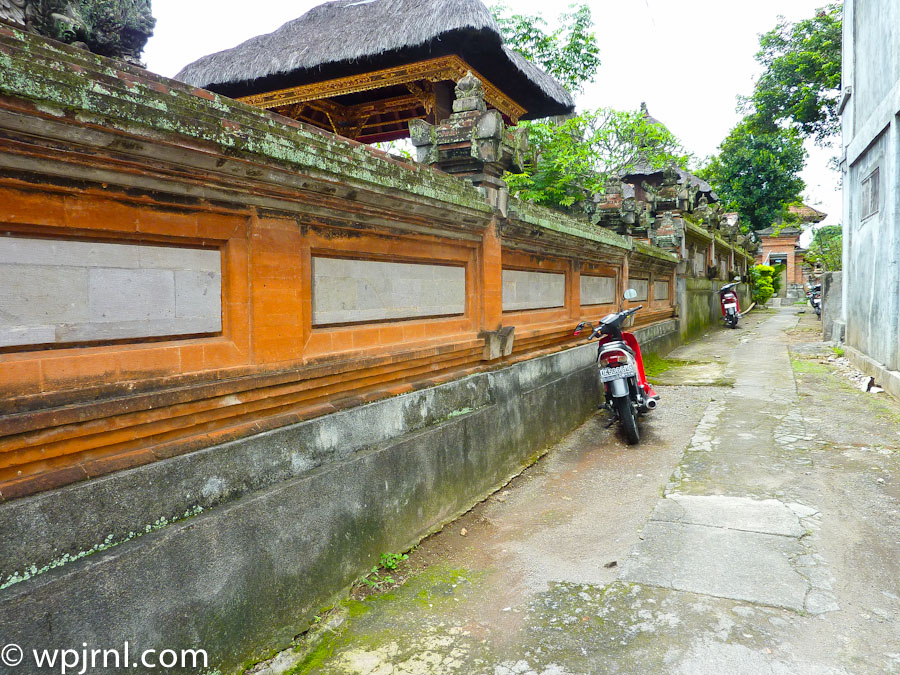
Backstreets of Ubud, Bali Indonesia
Discover the authentic charm of Ubud’s quiet alleyways lined with traditional Balinese architecture and lush tropical vegetation.

The backstreets of Ubud offer a glimpse into the authentic heart of Bali, far removed from the tourist crowds of main thoroughfares. These narrow lanes wind through the village, showcasing traditional stone walls, thatched-roof structures, and weathered wooden buildings that speak to centuries of Balinese culture and heritage. The combination of moss-covered walls, tropical greenery, and quiet atmosphere creates a peaceful sanctuary for travelers seeking genuine local experiences.

Wandering these backstreets reveals the everyday life of Ubud residents, from local motorbikes parked along narrow passages to glimpses of family compounds and traditional temples tucked behind high walls. The interplay of colonial-era architecture with Balinese design elements creates a uniquely textured visual landscape that feels frozen in time yet vitally alive with local activity.

These intimate pathways are perfect for the curious traveler who wants to experience Ubud beyond its popular markets and tourist infrastructure, offering opportunities for photography, quiet reflection, and unexpected encounters with local culture.

Highlights

  • Traditional Balinese architecture with distinctive orange-stained wooden structures and thatched roofs
  • Moss-covered stone walls and fences that showcase the tropical climate’s effect on colonial-era buildings
  • Authentic village atmosphere with minimal tourist infrastructure and genuine local activity
  • Hidden temples and shrines accessible only through backstreet exploration
  • Lush tropical vegetation framing narrow lanes and creating natural green corridors

What to Do

  • Photography walk to capture authentic Balinese architecture and atmospheric alleyways
  • Explore hidden warungs and local eateries tucked away from main streets
  • Discover family compounds and observe daily life of Ubud residents
  • Visit small neighborhood temples and shrines encountered during exploration
  • Ride a scooter or motorbike through winding lanes like the locals do
  • Sketch or paint the historic buildings and atmospheric street scenes

Best Time to Visit

April to October during the dry season offers the best conditions for exploring backstreets without heavy rain, though early morning visits are recommended year-round to avoid afternoon crowds and heat.

Getting There

Fly into Ngurah Rai International Airport in Denpasar, then take a taxi, car rental, or scooter to Ubud (about 1.5 hours). Once in Ubud, the backstreets are best explored on foot or by scooter.

Visitor Tips

  • Wear comfortable walking shoes suitable for uneven terrain and wet surfaces
  • Bring water and sun protection as shade is limited in many passages
  • Respect private property and temple spaces; ask permission before photographing
  • Visit early morning for fewer people and better lighting for photography
  • A local guide can provide context and access to areas not visible from main streets

Nearby

  • Ubud Market for traditional crafts and local goods
  • Tegallalang Rice Terraces for iconic Balinese agricultural landscapes
  • Sacred Monkey Forest Sanctuary for wildlife and temple exploration
  • Campuhan Ridge Walk for panoramic valley views
  • Goa Gajah (Elephant Cave) ancient temple complex

The backstreets of Ubud represent the soul of Bali—a place where history, culture, and nature intertwine in quiet passages and hidden corners. Whether you’re a photographer seeking authentic subjects, a traveler yearning for genuine cultural immersion, or simply someone who loves wandering off the beaten path, these narrow lanes offer an unforgettable glimpse into the real Ubud. Step away from the main roads and discover why visitors fall in love with this magical village.

Location Map

Backstreets of Ubud, Bali Indonesia Read More »
Sacred Monkey Forest Sanctuary, Ubud Bali Indonesia

Sacred Monkey Forest Sanctuary, Ubud Bali Indonesia
A mystical forest sanctuary where playful monkeys roam freely among ancient temples and lush jungle canopy.

The Sacred Monkey Forest Sanctuary, located in the heart of Ubud, is one of Bali’s most iconic attractions and a spiritual haven for both wildlife and visitors. This enchanting nature reserve spans 12.5 hectares and is home to over 1,200 long-tailed macaques living in their natural habitat. The sanctuary seamlessly blends wildlife conservation with Hindu spirituality, featuring three temples nestled within the forest that serve as important places of worship for the local Balinese community. Walking through the moss-covered pathways and towering canopy creates an immersive experience that transports visitors to a realm where nature and spirituality intertwine harmoniously.

Highlights

  • Encounter over 1,200 playful long-tailed macaques in their natural forest habitat
  • Explore three centuries-old temples (Pura Dalem Agung, Pura Beji, Pura Prajapati) integrated into the sanctuary
  • Walk across the sacred stone bridge and navigate moss-covered pathways through dense jungle
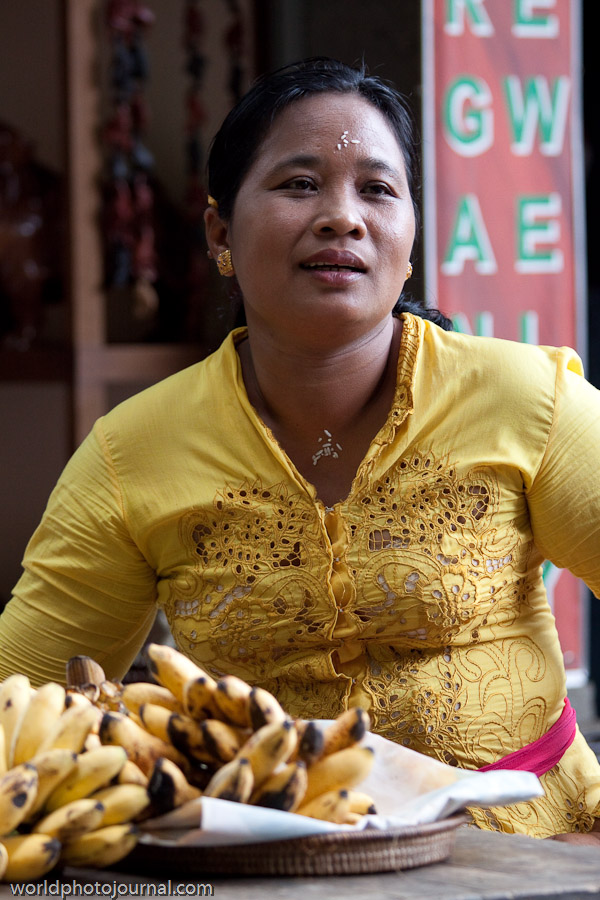
  • Experience authentic Balinese culture through local vendors selling traditional crafts and offerings at the entrance
  • Enjoy the serene atmosphere of one of Bali’s most spiritually significant natural landmarks

What to Do

  • Observe monkeys in their natural behavior and social interactions while maintaining safe distance
  • Visit the three temples within the forest and participate in spiritual ceremonies if permitted
  • Purchase offerings and local crafts from vendors at the entrance, supporting the community
  • Photography tour capturing the interplay of light, nature, and wildlife
  • Trek through various forest trails of varying difficulty levels
  • Attend guided tours to learn about monkey behavior, ecology, and Balinese traditions

Best Time to Visit

Visit during the dry season (April to October) when weather is clearer and trails are more accessible. Early morning visits offer the best wildlife viewing and fewer crowds.

Getting There

Located in central Ubud, easily accessible by scooter, car, or organized tours. From Ubud’s main town, it’s approximately a 15-minute drive or a scenic walk through rice paddies.

Visitor Tips

  • Secure all loose items like glasses, phones, and jewelry as monkeys are known to snatch shiny objects
  • Don’t make direct eye contact or show aggression toward monkeys; remain calm and respectful
  • Wear closed-toe shoes and avoid bright colors that may attract monkey attention
  • Bring cash to support local vendors and artisans at the entrance
  • Visit early morning before crowds arrive for the best experience and photography opportunities

Nearby

  • Tegallalang Rice Terraces, stunning emerald rice paddies with scenic hiking trails
  • Ubud Art Market, vibrant marketplace featuring local crafts, textiles, and souvenirs
  • Campuhan Ridge Walk, popular trekking route with panoramic valley views
  • Goa Gajah Temple (Elephant Cave), ancient Hindu cave temple with intricate carvings

A visit to the Sacred Monkey Forest Sanctuary offers more than just wildlife observation—it’s a transformative journey into Bali’s spiritual heart. Whether you’re seeking adventure, cultural immersion, or peaceful communion with nature, this magical sanctuary delivers an unforgettable experience that captures the essence of Bali’s natural beauty and ancient traditions. Come prepared to respect the monkeys, embrace the spiritual energy of the temples, and discover why this sanctuary remains one of Indonesia’s most cherished destinations.

Location Map

Sacred Monkey Forest Sanctuary, Ubud Bali Indonesia Read More »

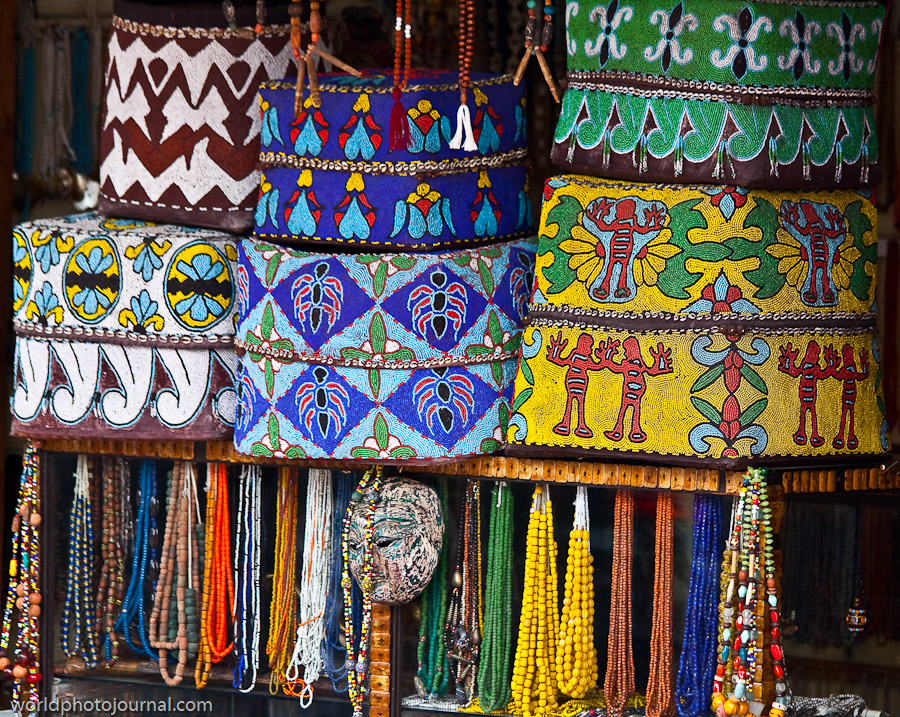
Ubud Crafts Store, Ubud Streets, Bali, Indonesia

Ubud Crafts Store, Ubud Streets, Bali, Indonesia
A vibrant marketplace showcase of traditional Balinese textiles, beads, and handcrafted cultural treasures

Ubud’s streets are lined with enchanting craft stores that capture the essence of Balinese artistry and tradition. This particular storefront exemplifies the region’s dedication to preserving and celebrating traditional craftsmanship, displaying an impressive array of handwoven ribbons, ceremonial textiles, and decorative beads. The intricate patterns and vibrant colors reflect centuries of cultural heritage, making these stores essential destinations for travelers seeking authentic souvenirs and insight into local artisanal practices. Every item tells a story of skilled craftspeople who have perfected their techniques across generations.

Highlights

  • Hand-woven textile ribbons with traditional Balinese motifs in rich jewel tones and earth colors
  • Ceremonial beaded necklaces and strings in every color imaginable, from deep blues to bright yellows
  • Intricately patterned decorative fabrics featuring iconic Balinese designs and symbols
  • Authentic crafts directly from local artisans, supporting traditional manufacturing methods

What to Do

  • Browse and select from hundreds of traditional textile patterns for clothing, home décor, or cultural gifts
  • Interact with shop owners to learn about the meaning and history behind specific designs and motifs
  • Shop for beaded jewelry and accessories made with natural materials
  • Photograph the vibrant displays that showcase Bali’s artistic heritage

Best Time to Visit

April to October during the dry season when weather is pleasant and ideal for exploring outdoor markets

Getting There

Ubud is centrally located in Bali, accessible by car from Denpasar Airport (about 1.5 hours) or by local shuttle services. The main streets of Ubud are pedestrian-friendly and easy to navigate on foot.

Visitor Tips

  • Arrive early in the day for the best selection before popular items sell out
  • Don’t hesitate to negotiate prices politely; bargaining is customary in these markets
  • Bring cash in Indonesian Rupiah, as not all small shops accept credit cards
  • Take time to chat with vendors about their products—they often have fascinating stories about the craftsmanship

Nearby

  • Ubud Traditional Market (Pasar Ubud)
  • Tegallalang Rice Terraces
  • Ubud Palace (Puri Saren Agung)
  • Campuhan Ridge Walk

The craft stores of Ubud’s streets offer more than just beautiful souvenirs—they provide a genuine window into Balinese culture and the enduring traditions of Indonesian artisans. Whether you’re seeking a special gift, home décor piece, or simply wish to connect with local craftsmanship, these vibrant marketplaces deliver an unforgettable shopping experience that supports communities and preserves cultural heritage.

Location Map

Ubud Crafts Store, Ubud Streets, Bali, Indonesia Read More »

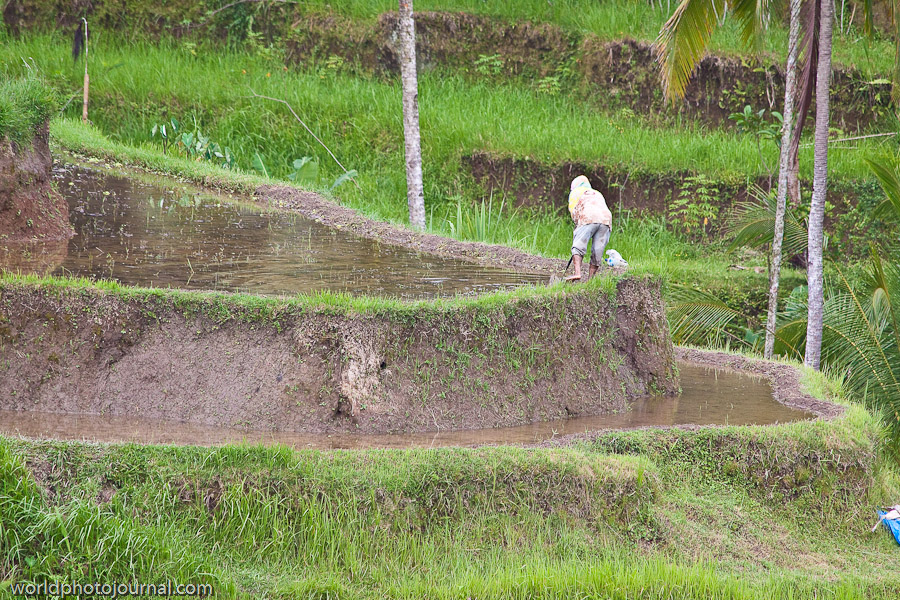
Rice Fields near Ubud, Bali Indonesia

Rice Fields near Ubud, Bali Indonesia
Terraced emerald paddies where traditional farming meets tropical paradise in the heart of Bali.

The rice fields near Ubud represent the soul of Balinese agriculture and culture, with cascading terraces of brilliant green that blanket the landscape. These iconic paddies have been cultivated for centuries using traditional methods, creating a harmonious relationship between the Balinese people and their land. Visitors are captivated by the serene beauty of these working agricultural areas, where farmers can be seen tending their crops in synchronized rhythms that have remained largely unchanged for generations.

Highlights

  • Terraced rice paddies with stunning layered vistas perfect for photography
  • Opportunity to observe traditional Balinese farming practices in action
  • Lush green landscapes that shift through seasons of growth and harvest
  • Peaceful rural atmosphere providing escape from bustling tourist areas

What to Do

  • Walk through the rice terraces on established paths to experience the landscape up close
  • Photograph the stunning layered paddies during morning golden hour
  • Visit during planting season to see farmers in traditional dress at work
  • Stop at local warungs (small restaurants) for authentic Balinese meals with paddy views
  • Engage respectfully with local farmers to learn about sustainable rice cultivation

Best Time to Visit

April to June during the dry season, when the paddies are lush and green, and the weather is ideal for trekking and photography.

Getting There

Ubud is accessible by rental car, scooter, or organized tours from Denpasar airport (approximately 1 hour drive). The rice fields are located in villages surrounding Ubud, with most areas within 15-30 minutes of central Ubud.

Visitor Tips

  • Wear sturdy, closed-toe hiking shoes as paths can be muddy and slippery
  • Bring sun protection and water; there is limited shade in open paddy areas
  • Respect farming activities and stay on designated paths to avoid damaging crops
  • Visit early morning for the best light and to avoid crowds
  • Ask permission before photographing local farmers

Nearby

  • Tegallalang Rice Terraces, iconic paddies with restaurants overlooking the valley
  • Ubud Monkey Forest, sacred sanctuary with ancient temples and wildlife
  • Ubud Art Market, cultural hub featuring local crafts and traditional goods
  • Goa Gajah Temple, ancient Hindu temple carved into rock faces

The rice fields near Ubud offer more than just a beautiful backdrop—they provide a window into the authentic agricultural heritage and spiritual connection that define Balinese life. Walking through these emerald terraces, you’ll understand why so many travelers consider Ubud the true heart of Bali, where tradition, nature, and culture flow together as harmoniously as water through the paddies.

Location Map

Rice Fields near Ubud, Bali Indonesia Read More »

Scroll to Top