london underground

Trafalgar Square Underground Station, London England
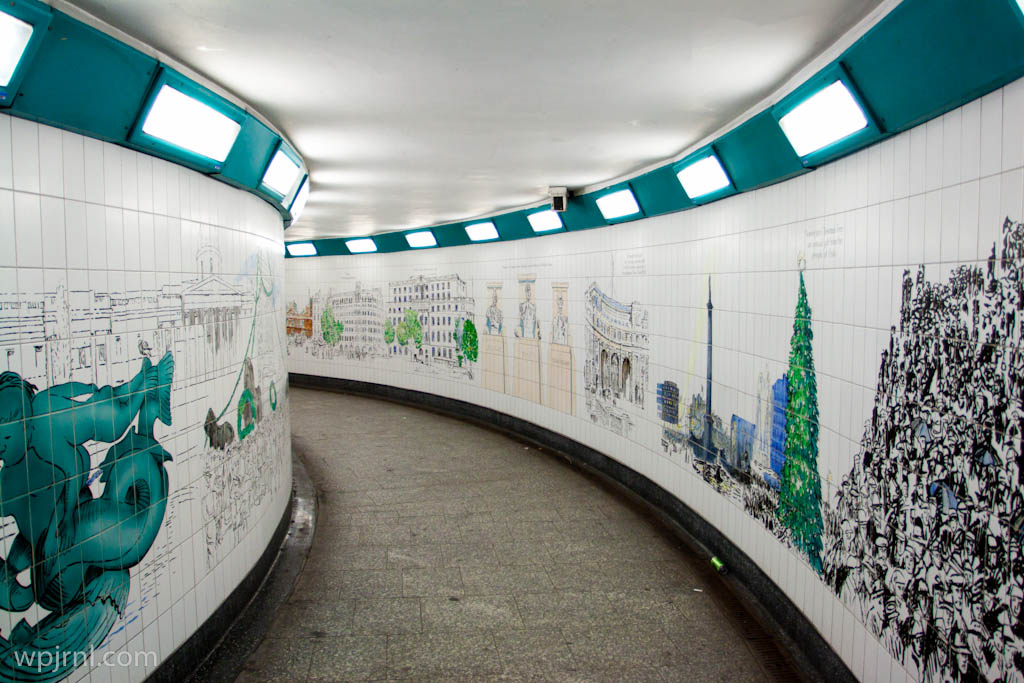
Trafalgar Square Underground Station, London England
A stunning London Underground station featuring vibrant artistic murals celebrating iconic architecture and culture.

Trafalgar Square Underground Station is one of London’s most visually striking transport hubs, located beneath the famous Trafalgar Square in central London. The station is renowned for its contemporary artistic installations and decorative tilework that transforms the corridors into an underground gallery. The curved tunnel design with distinctive turquoise and white paneling creates an inviting atmosphere, while the walls showcase detailed architectural illustrations and cultural artwork that reflect London’s heritage and landmarks. This station exemplifies how London’s transport system has evolved to become not just functional, but a destination for art and design appreciation.

Highlights

  • Impressive curved tunnel architecture with modern lighting design featuring turquoise paneling and skylights
  • Extensive wall murals depicting London landmarks, buildings, and cultural scenes in both colorful and monochromatic styles
  • Clean, contemporary aesthetic combining functionality with artistic expression
  • Architectural illustrations showcasing historic and modern London buildings

What to Do

  • Explore the artistic murals throughout the station corridors and appreciate the detailed illustrations
  • Photograph the unique tunnel design and lighting for travel and architecture enthusiasts
  • Visit Trafalgar Square above ground to see Nelson’s Column and the National Gallery
  • Use this station as a gateway to central London attractions including the West End, Covent Garden, and The Strand

Best Time to Visit

Any time of year, as the underground station is climate-controlled and accessible year-round. Visit during off-peak hours for a more peaceful experience and better photography opportunities.

Getting There

Trafalgar Square Station is served by the Northern Line and the Bakerloo Line. It’s centrally located in London’s West End, easily accessible from major transport hubs and accommodations throughout the city.

Visitor Tips

  • Allow extra time to admire the artwork while moving through the station
  • Visit during quieter periods for better photography and to fully appreciate the murals
  • The station can be crowded during peak travel times, especially weekday mornings and evenings
  • Combine your visit with exploring Trafalgar Square itself and nearby cultural institutions

Nearby

  • Trafalgar Square and Nelson’s Column
  • National Gallery London
  • Covent Garden
  • The West End Theatre District
  • St Martin-in-the-Fields Church

Trafalgar Square Underground Station proves that London’s transport infrastructure is an art form in itself. Whether you’re a commuter, art enthusiast, or architecture lover, this station offers a delightful visual experience beneath the bustling streets of central London. Take a moment to pause and appreciate the creative vision that transformed a functional tunnel into an underground gallery celebrating the city’s character and charm.

Location Map

Trafalgar Square Underground Station, London England Read More »
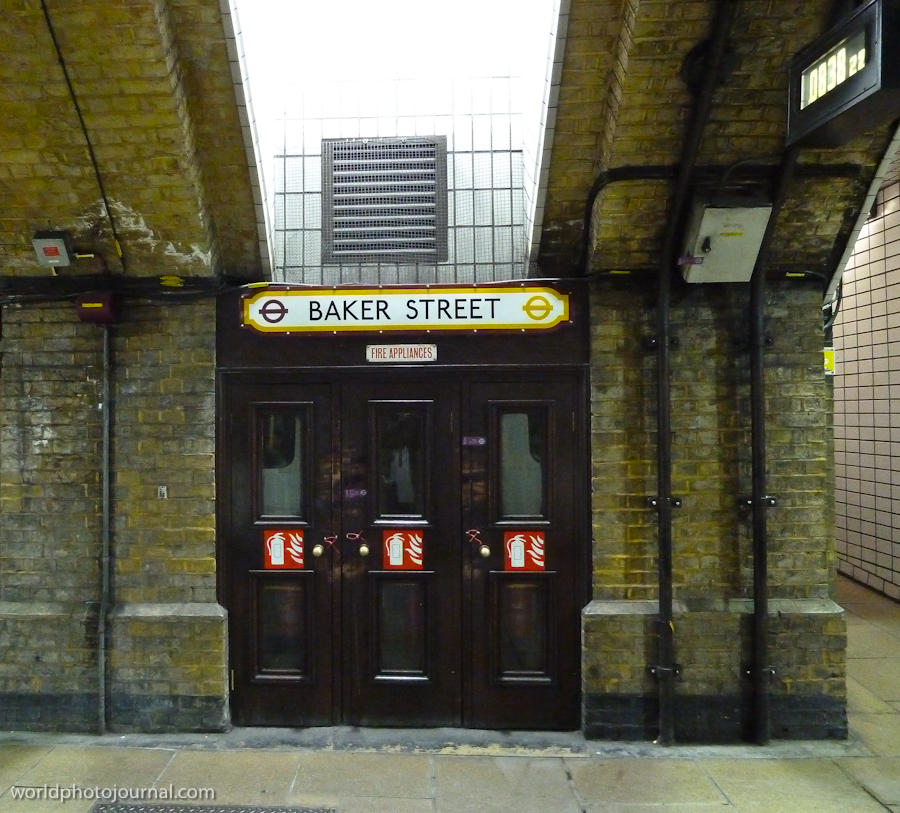
Baker Street Underground Station, London England

Baker Street Underground Station, London England
An iconic London Underground station steeped in history and famous for its association with Sherlock Holmes.

Baker Street Station is one of London’s most recognizable Underground stations, located in the heart of the West End. Opened in 1863, it is the oldest station on the Metropolitan Line and serves as a major transport hub connecting multiple Underground lines. The station is instantly recognizable by its distinctive yellow roundel signs and classic mid-Victorian architecture, featuring original decorative tilework and period brickwork that transports visitors back to the golden age of Victorian engineering.

Beyond its historical significance, Baker Street holds a special place in popular culture as the home of the fictional detective Sherlock Holmes. The station and surrounding street have become pilgrimage sites for literary enthusiasts from around the world. Its bustling platforms and well-preserved design elements make it a fascinating destination for those interested in London’s transport heritage and Victorian architecture.

The station’s distinctive aesthetic, with its honey-colored tiles and robust ironwork, exemplifies the craftsmanship of 19th-century underground railway construction. It remains one of the most photographed stations in the London Underground network.

Highlights

  • Original Victorian tilework and architectural details dating back to 1863
  • The iconic yellow roundel signs bearing the London Underground logo
  • Multiple interconnecting lines serving diverse neighborhoods across London
  • Connection to Sherlock Holmes literary heritage and cultural significance
  • Historic platform designs and period ironwork and fixtures

What to Do

  • Explore the station’s original Victorian architectural features and decorative tilework
  • Visit the Sherlock Holmes Museum located nearby at 221B Baker Street
  • Browse the independent shops and boutiques along Baker Street above ground
  • Photograph the distinctive station signage and historic platform details
  • Access major London attractions via connections to multiple Underground lines

Best Time to Visit

Any time of year, though weekday mornings or late afternoons offer quieter visits. Spring and autumn provide pleasant weather for exploring the surrounding Baker Street neighborhood.

Getting There

Baker Street Station is directly accessible via the London Underground. Multiple lines serve the station: Circle, District, Hammersmith & City, Jubilee, and Metropolitan lines. It is also serviced by London buses and is within walking distance of Oxford Street and Regent Street.

Visitor Tips

  • Arrive during off-peak hours (mid-afternoon or early morning) to fully appreciate the architectural details without crowds
  • Use the station as a central hub to explore nearby attractions including Regent’s Park and the British Museum
  • Purchase a Travelcard for unlimited Underground travel if planning multiple journeys
  • Allow time to photograph the distinctive station signage and original Victorian features
  • The station can be very crowded during rush hours; plan accordingly

Nearby

  • Sherlock Holmes Museum at 221B Baker Street
  • Regent’s Park and Open Air Theatre
  • British Museum
  • Oxford Street shopping district
  • Madame Tussauds Wax Museum

Baker Street Underground Station stands as a testament to Victorian engineering excellence and remains an essential gateway to exploring London’s rich history and culture. Whether you’re a railway enthusiast fascinated by heritage transport infrastructure, a Sherlock Holmes devotee seeking literary connections, or simply a visitor navigating London’s world-class Underground system, Baker Street delivers an unforgettable experience. Step onto its historic platforms and feel the pulse of over 150 years of metropolitan transport history.

Location Map

Baker Street Underground Station, London England Read More »
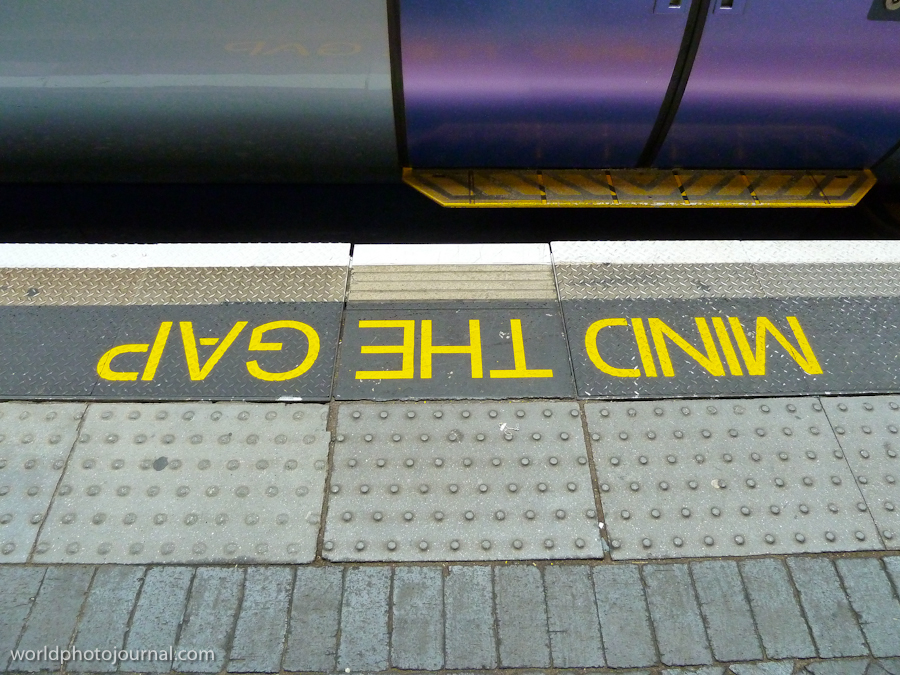
Mind the Gap Platform, London Underground Station, London UK

Mind the Gap Platform, London Underground Station, London UK
The iconic yellow warning sign on London’s Underground platforms that has become a symbol of the city’s historic transit system.

The famous “Mind the Gap” sign is one of London’s most recognizable transit features, warning passengers of the space between the platform and the train doors. Located on platforms throughout the London Underground, this distinctively yellow text on gray tactile paving has become an iconic symbol of the city’s historic metro system. The phrase originated at Embankment station in the 1960s and has since become embedded in British culture and travel lore.

This simple safety message represents decades of commuter history and has transcended its functional purpose to become a beloved part of London’s identity. The warning is particularly pronounced on older lines where platform gaps are wider, and the visual design—yellow lettering on textured paving—remains consistent across the network. It’s a perfect example of practical British design meeting cultural significance.

Highlights

  • Iconic yellow warning text on tactile paving tiles
  • Original safety feature from 1960s Embankment station
  • Present on multiple lines throughout the Underground network
  • Famous in popular culture and featured in countless media references
  • Represents the historic Victorian-era engineering of the Underground

What to Do

  • Observe the sign while waiting at various Underground stations across different lines
  • Visit historic stations like Embankment where the sign originated
  • Photograph the iconic sign as part of London Underground documentation
  • Explore the Victorian architecture and design of historic platforms
  • Take guided tours of the London Underground system to learn about transit history

Best Time to Visit

Year-round, as the Underground operates daily. Visit during off-peak hours (mid-morning or mid-afternoon) for less crowded platforms and better photography opportunities.

Getting There

Access any London Underground station by using the Tube map and journey planner. The sign appears on platforms throughout the network on the Circle, District, Northern, and other lines.

Visitor Tips

  • The tactile paving with raised bumps serves both as a warning and accessibility feature for visually impaired passengers
  • Photography is allowed but be mindful of other passengers and safety protocols
  • Peak hours (7-9 AM and 5-7 PM weekdays) make platforms very crowded
  • The exact spacing of the gap varies between stations and lines

Nearby

  • Embankment Station, London – where the sign originated
  • Tower of London, London
  • St. Paul’s Cathedral, London
  • British Museum, London

The “Mind the Gap” sign is more than a safety warning—it’s a beloved piece of London’s cultural heritage. Whether you’re a frequent commuter or a first-time visitor to the city, this iconic yellow text serves as a reminder of the Underground’s rich history and enduring charm. Don’t miss the opportunity to experience this legendary feature of one of the world’s oldest and most historic metro systems.

Location Map

Mind the Gap Platform, London Underground Station, London UK Read More »

Scroll to Top