forbidden city

Forbidden City Guard Post, Beijing China
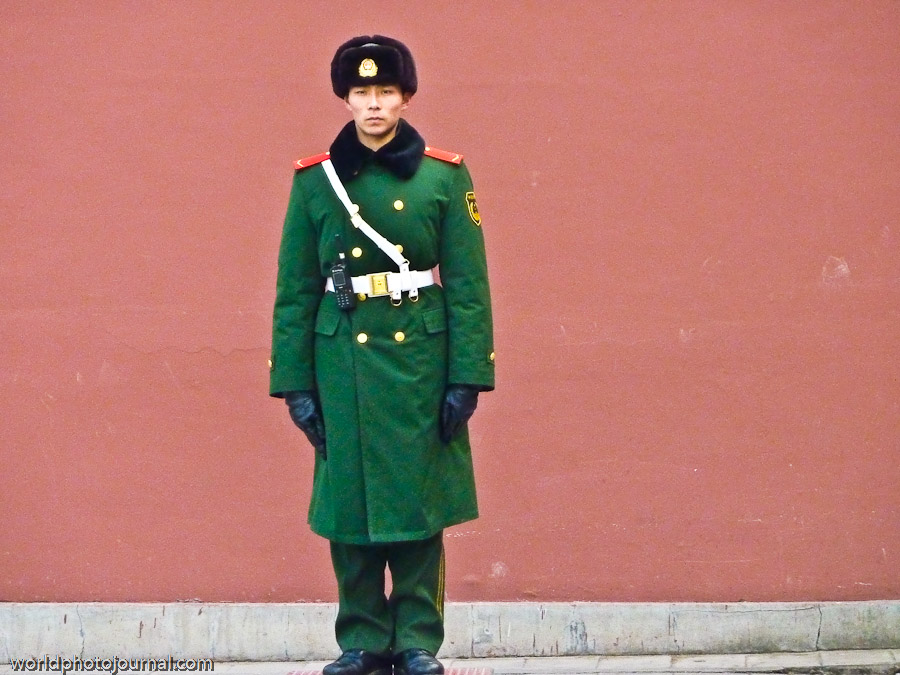
Forbidden City Guard Post, Beijing China
A solemn sentinel stands duty at one of the world’s most iconic imperial palaces, embodying centuries of Chinese tradition and pageantry.

The Forbidden City, nestled in the heart of Beijing, remains one of the most recognizable landmarks in the world. This expansive imperial palace complex served as home to Chinese emperors for nearly 500 years and stands as a testament to the architectural and cultural grandeur of ancient China. Today, ceremonial guards in traditional green uniforms patrol the crimson walls and courtyards, maintaining the historical authenticity and reverent atmosphere that defines this UNESCO World Heritage Site.

The guards themselves are an integral part of the Forbidden City experience, representing the military discipline and formality that once characterized imperial court life. Visitors from around the globe gather to witness these uniformed sentinels standing motionless against the distinctive red backdrop, creating striking photographic moments that capture the essence of China’s imperial heritage.

The palace complex encompasses nearly 1,000 buildings and covers 180 acres, making it the largest palace complex in the world. Every corner tells a story of emperors, concubines, and the intricate workings of imperial administration that shaped Chinese history.

Highlights

  • Watch the ceremonial guards in their distinctive green uniforms stand watch at various gates and courtyards
  • Explore nearly 1,000 buildings spanning nearly 500 years of imperial history
  • Admire the intricate architectural details and traditional Chinese design throughout the complex
  • Witness the iconic crimson walls that have guarded imperial secrets for centuries
  • Experience one of the world’s largest and best-preserved palace complexes

What to Do

  • Walk through the main courtyards and observe the changing of the guard ceremonies
  • Visit the Palace of Heavenly Purity and the Imperial Living Quarters
  • Explore the imperial gardens and landscaped courtyards
  • Browse the museum exhibits displaying imperial artifacts and treasures
  • Photography at various scenic points, especially with the guards as subjects
  • Attend special evening illumination events during peak seasons

Best Time to Visit

Spring (April-May) and autumn (September-October) offer comfortable temperatures and clear skies, ideal for photography and exploring the vast complex without extreme heat or cold.

Getting There

The Forbidden City is located in central Beijing. Access via Beijing Metro Line 1 (Tiananmen Dong or Tiananmen Xi stations), or by taxi/car. The main entrance is through Tiananmen Gate on the southern side.

Visitor Tips

  • Arrive early in the morning to beat the crowds and capture better photos of the guards
  • Wear comfortable walking shoes as the complex spans 180 acres with extensive ground to cover
  • Consider hiring an official guide to understand the historical significance of different areas
  • Photography is allowed, but be respectful of the guards on duty
  • Allow at least 3-4 hours for a comprehensive visit

Nearby

  • Tiananmen Square, one of the largest public plazas in the world
  • National Museum of China, showcasing Chinese art and history
  • Mausoleum of Mao Zedong, located south of the Forbidden City
  • Jingshan Park, offering panoramic views of the Forbidden City

A visit to the Forbidden City is a journey through the heart of imperial China, where every architectural detail and every uniformed guard tells a story of power, tradition, and cultural magnificence. Whether you’re drawn by history, photography, or simply the awe of standing within one of humanity’s greatest architectural achievements, the Forbidden City offers an unforgettable experience that connects you directly to centuries of Chinese civilization. Plan your visit today and walk the same paths once traveled by emperors.

Location Map

Forbidden City Guard Post, Beijing China Read More »
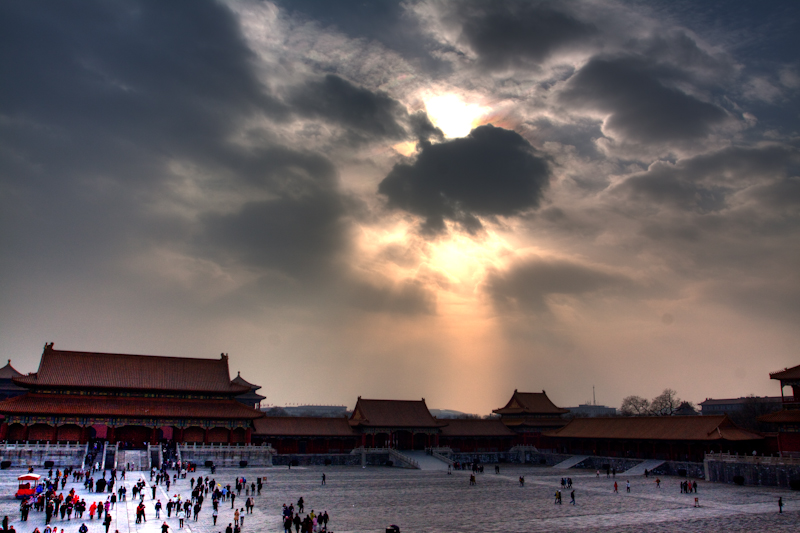
Forbidden City Palace Complex, Beijing China

Forbidden City Palace Complex, Beijing China
An awe-inspiring imperial palace where centuries of Chinese history unfolds beneath dramatic skies.

The Forbidden City stands as one of the world’s most magnificent architectural achievements and the largest palace complex ever built. Located in the heart of Beijing, this vast imperial residence served as home to Chinese emperors for nearly 500 years, from the Ming Dynasty through the Qing Dynasty. With nearly 1,000 buildings arranged across 180 acres, the Forbidden City represents the pinnacle of Chinese architectural and artistic mastery, blending harmony with nature, feng shui principles, and imperial grandeur.

The complex is a masterpiece of symmetry and balance, featuring ornate red walls, golden-glazed roofs, and intricate courtyards that transport visitors back to imperial times. The name ‘Forbidden City’ reflects its historical exclusivity—for centuries, only the emperor, his family, and selected officials were permitted entry, making it one of history’s most exclusive destinations.

Today, the Forbidden City welcomes millions of visitors annually, offering an unparalleled glimpse into China’s imperial past and the sophisticated lifestyle of the ruling dynasty.

Highlights

  • Hall of Supreme Harmony (Taihedian) – The largest hall where emperors held court and major ceremonies took place
  • Intricate courtyards and gardens showcasing traditional Chinese landscape design and artistic elements
  • Golden-tiled roofs and ornate decorative details representing imperial power and celestial symbolism
  • Museum collections featuring imperial artifacts, calligraphy, paintings, and precious antiques
  • The dramatic interplay of light and weather creating mystical atmospheres throughout the complex

What to Do

  • Explore the three main halls and learn about imperial governance and court rituals
  • Wander through private quarters and imperial gardens to understand daily palace life
  • Visit the Palace Museum galleries displaying treasures from various dynasties
  • Photograph the stunning architecture with its distinctive red walls and golden accents
  • Experience the authentic atmosphere that has captivated visitors for centuries

Best Time to Visit

Spring (April-May) and autumn (September-October) offer pleasant weather, clear skies, and comfortable temperatures for exploring. Avoid peak summer heat and winter cold, though winter can provide dramatic cloud formations like those in this photo.

Getting There

The Forbidden City is centrally located in Beijing and easily accessible by public transportation. Take the Metro to Tiananmen East or Tiananmen West stations (Lines 1 or 2), or take buses that stop near the main entrances. Taxis and ride-sharing services are also readily available.

Visitor Tips

  • Arrive early morning to beat crowds and enjoy better lighting for photography
  • Wear comfortable walking shoes as the complex covers vast distances
  • Purchase tickets online in advance to skip queues and secure entry times
  • Consider hiring a guide or renting an audio guide for deeper historical context
  • Bring water and sun protection; there is limited shade throughout the grounds

Nearby

  • Tiananmen Square – The world’s largest public plaza adjacent to the Forbidden City
  • Temple of Heaven – Another magnificent imperial complex with stunning architecture
  • National Museum of China – Comprehensive museum showcasing Chinese art and history
  • Jingshan Park – Hilltop park offering panoramic views of the Forbidden City

The Forbidden City remains a testament to human ambition, artistic achievement, and cultural heritage. Standing within its walls, beneath dramatic Beijing skies, you are transported across centuries to experience the grandeur and complexity of imperial China. Whether you’re a history enthusiast, architecture lover, or simply seeking to understand one of humanity’s greatest civilizations, the Forbidden City delivers an unforgettable journey that will inspire and enlighten every visitor who crosses its threshold.

Location Map

Forbidden City Palace Complex, Beijing China Read More »

Scroll to Top