coral

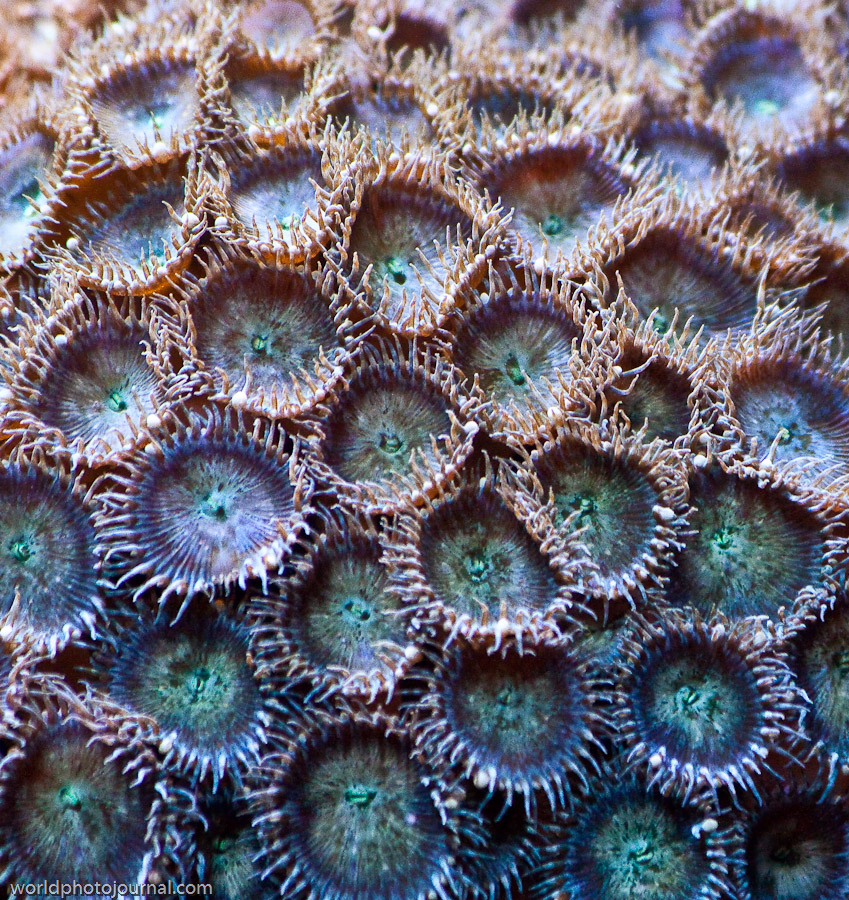
Zoanthids Coral Colony, Saltwater Aquarium
Zoanthids Coral Colony, Saltwater Aquarium
Discover the mesmerizing radial symmetry and vibrant colors of zoanthid corals in captive reef environments.

Zoanthids are small but spectacular colonial corals that have become beloved specimens in saltwater aquariums worldwide. These tiny polyps, each featuring a crown of delicate tentacles, form densely packed colonies that create stunning visual displays. With their remarkable range of fluorescent colors—from electric blues and greens to deep purples and browns—zoanthids represent some of nature’s most colorful organisms and are a favorite among reef aquarium enthusiasts and marine biologists alike.

Highlights

  • Intricate radial tentacle structures with frilly, feathery appearance
  • Vibrant fluorescent coloration under both natural and UV lighting
  • Colonial growth patterns creating dense, eye-catching formations
  • Zooxanthellae symbiosis producing brilliant color variations

What to Do

  • Observe zoanthid colonies under magnification in public aquarium displays
  • Photograph the stunning colors and fine tentacle details using macro photography
  • Learn about coral symbiosis and photosynthesis in marine biology exhibits
  • Visit reef aquarium shops to see live zoanthid specimens for sale

Best Time to Visit

Year-round in aquarium settings; best viewing during aquarium feeding times when polyps are fully extended

Getting There

Visit local public aquariums, marine centers, or specialized saltwater aquarium shops that feature live coral displays

Visitor Tips

  • Use macro lenses or magnifying equipment for detailed photography
  • Visit during morning hours when polyps are most actively extended
  • Ask aquarium staff about species identification and care requirements
  • Bring a UV light or visit during evening hours to see fluorescent colors enhanced

Nearby

  • Other soft coral displays in the same aquarium
  • Hard coral and anemone exhibits
  • Marine biology education centers
  • Reef aquascaping workshops

Zoanthid corals represent one of nature’s most accessible windows into the vibrant world of reef ecosystems. Whether you’re a seasoned aquarist, marine enthusiast, or curious visitor, observing these delicate polyps reveals the stunning complexity and beauty hidden beneath the ocean’s surface—inspiring appreciation for marine conservation and the wonders of symbiotic life.

Location Map

Zoanthids Coral Colony, Saltwater Aquarium Read More »
Solana Reef Aquarium Display – Home Saltwater Tank

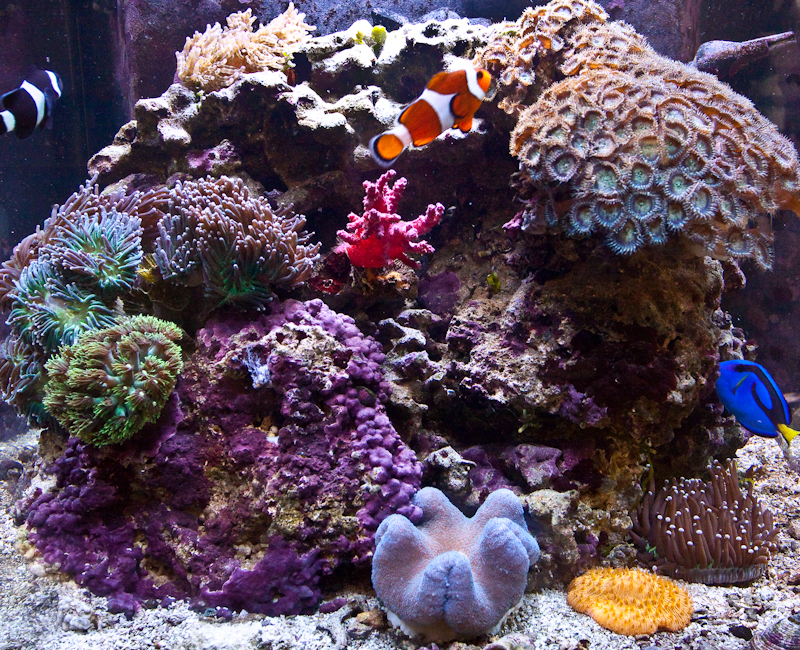
Solana Reef Aquarium Display - Home Saltwater Tank
A vibrant home saltwater aquarium showcasing thriving corals and tropical fish in perfect harmony.

This stunning Solana reef aquarium represents the pinnacle of home aquascaping, featuring a carefully curated collection of hard and soft corals alongside colorful reef fish. The aquarium demonstrates the delicate balance of a thriving marine ecosystem, with each coral specimen positioned to create visual depth and optimal water flow. This personal underwater paradise combines scientific precision with artistic arrangement, creating a mesmerizing focal point that brings the ocean’s beauty into the home.

Highlights

  • Vibrant purple and pink soft corals in full bloom with healthy polyp extension
  • Diverse hard coral species including brain corals and stony formations
  • Active reef fish including clownfish, tangs, and damselfish displaying natural behavior
  • Professional aquascaping with strategic rockwork creating caves and habitats
  • Pristine water clarity and lighting that showcases coral coloration

What to Do

  • Observe fish behavior and coral feeding patterns throughout the day
  • Maintain water parameters and monitor coral health
  • Photograph the constantly evolving reef ecosystem
  • Study symbiotic relationships between fish and corals
  • Participate in the relaxing hobby of reef keeping and aquascaping

Best Time to Visit

Any time is ideal for a home aquarium, though evening lighting often showcases coral colors best. Regular daily viewing provides changing perspectives as fish activity varies.

Getting There

This is a personal home aquarium setup. Reef-keeping enthusiasts can replicate this by purchasing equipment from aquarium specialty stores and sourcing corals and fish from reputable suppliers.

Visitor Tips

  • Allow 10-15 minutes of quiet observation to fully appreciate the ecosystem dynamics
  • Note the different coral types and research their care requirements
  • Watch for feeding behavior and symbiotic relationships between species
  • Consider the technical setup required including lighting, filtration, and water circulation

Nearby

  • Local aquarium specialty stores for supplies and specimens
  • Public aquariums for inspiration and educational displays
  • Reef-keeping community groups and forums for support

Creating and maintaining a home reef aquarium like the Solana setup is a rewarding journey that connects you directly with marine ecosystems. Whether you’re an experienced aquarist or considering starting your first reef tank, this vibrant display demonstrates the incredible beauty and complexity possible in a carefully managed home environment. Dive into the world of reef keeping and discover the wonder of cultivating your own slice of ocean.

Location Map

Solana Reef Aquarium Display – Home Saltwater Tank Read More »

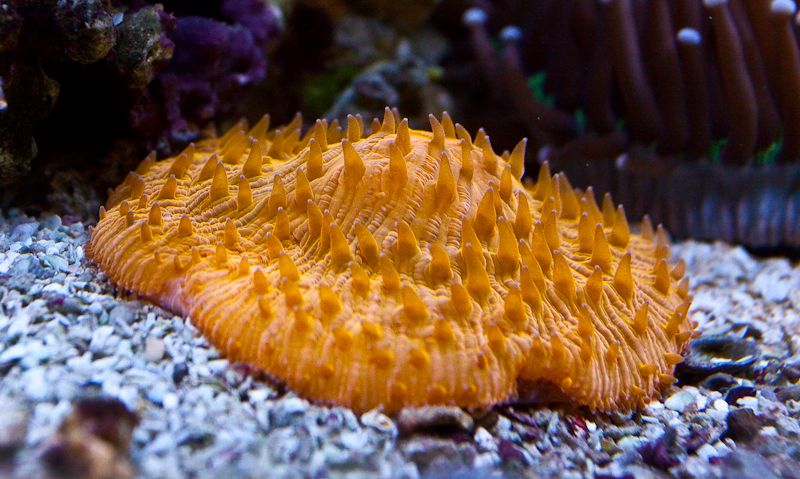
Orange Plate Coral, Coral Reef Aquarium

Orange Plate Coral, Coral Reef Aquarium
A stunning golden-orange plate coral that displays intricate branching polyps and vibrant coloration in the reef.

The Orange Plate Coral is a mesmerizing coral species found in reef environments, characterized by its distinctive flat, plate-like structure and brilliant orange-golden hues. This coral thrives in the lower light conditions of reef depths, where its vivid coloration stands out against the darker surroundings. The intricate branching polyps create a delicate, feathery appearance that makes it a prized specimen for aquarium enthusiasts and marine biologists alike.

Highlights

  • Brilliant orange-gold coloration with intricate polyp branching patterns
  • Flat plate-like morphology that creates a unique silhouette on the reef
  • Feathery, delicate tentacles that extend for feeding and light absorption
  • Thrives in reef environments and captive aquarium settings

What to Do

  • Observe the coral’s polyp feeding behavior during evening hours
  • Study the symbiotic relationship between the coral and its zooxanthellae
  • Photograph the coral’s intricate texture and vibrant coloration
  • Monitor water conditions to understand optimal coral care requirements

Best Time to Visit

Evening and night hours when polyps are most extended and visible; consistently year-round in aquarium settings

Getting There

Visit public aquariums or specialized reef aquarium facilities that house plate corals

Visitor Tips

  • Observe without touching to protect the delicate coral polyps
  • View in low-light conditions to see the most vibrant colors
  • Check feeding times for best visibility of extended polyps
  • Learn about sustainable coral reef practices and conservation

Nearby

  • Other LPS (Large Polyp Stony) corals
  • Reef fish species that interact with the coral
  • Aquarium systems demonstrating marine habitat recreation

The Orange Plate Coral represents the extraordinary beauty and complexity of reef ecosystems. Whether viewing this remarkable organism in an aquarium or in its natural habitat, it serves as a powerful reminder of the importance of ocean conservation and the need to protect these delicate underwater worlds for generations to come.

Location Map

Orange Plate Coral, Coral Reef Aquarium Read More »

Scroll to Top