beijing

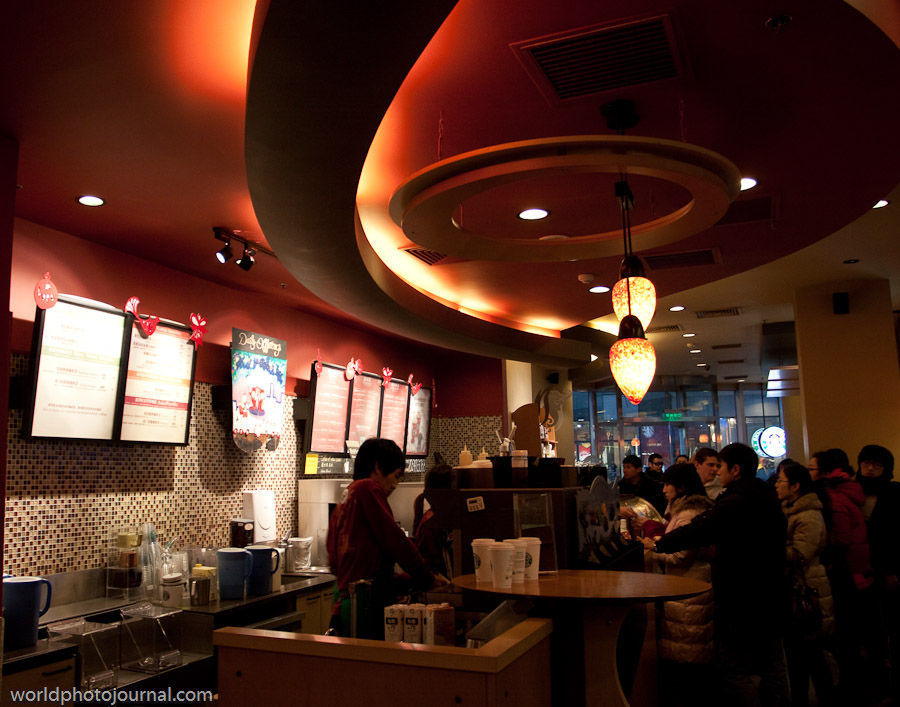
Starbucks Coffee, Beijing China
Starbucks Coffee, Beijing China
A modern coffeehouse blending contemporary design with warm hospitality in the heart of Beijing

This Starbucks location in Beijing showcases the global coffee chain’s commitment to creating inviting spaces that cater to local and international visitors alike. With its striking modern architecture featuring curved ceiling designs, warm ambient lighting, and stylish interior finishes, this café offers a comfortable retreat from the bustling streets of Beijing. The establishment perfectly balances the familiar Starbucks experience with touches of contemporary Asian design, making it a popular gathering spot for coffee enthusiasts, business professionals, and tourists seeking a familiar comfort in the Chinese capital.

Highlights

  • Distinctive curved ceiling design with warm ambient lighting creating an elegant atmosphere
  • Modern mosaic tile backsplash and contemporary interior furnishings
  • Large illuminated menu boards displaying beverage and food options
  • Decorative pendant lighting fixtures adding warmth to the space
  • Busy, welcoming environment reflecting Beijing’s vibrant café culture

What to Do

  • Enjoy specialty coffee drinks while experiencing contemporary Chinese café culture
  • Work or study in a comfortable, modern setting with reliable WiFi
  • People-watch and observe the local social scene
  • Explore the surrounding Beijing neighborhood and attractions
  • Try Starbucks’ local menu offerings adapted for Chinese preferences

Best Time to Visit

Year-round, though spring (April-May) and autumn (September-October) offer the most pleasant weather for exploring Beijing and visiting outdoor cafés

Getting There

Located in Beijing’s urban area, accessible by metro, taxi, or local transportation. Exact address should be verified for current location details

Visitor Tips

  • Arrive during off-peak hours for a more relaxed atmosphere
  • Mobile payment apps (WeChat Pay, Alipay) are preferred in Beijing
  • Learn basic Chinese phrases to enhance your ordering experience
  • The café offers a good vantage point for people-watching and experiencing local life

Nearby

  • Beijing CBD (Central Business District)
  • Local shopping districts and retail areas
  • Traditional Beijing neighborhoods and hutongs
  • Other international dining and café options

This Starbucks location represents a fascinating intersection of global brand consistency and local adaptation, offering visitors and residents alike a welcoming space to experience modern Beijing culture. Whether you’re seeking a familiar coffee experience or curious about how international chains integrate into Chinese cities, this café provides an interesting window into contemporary urban life in the capital.

Location Map

Starbucks Coffee, Beijing China Read More »
Hutong Streets, Beijing China

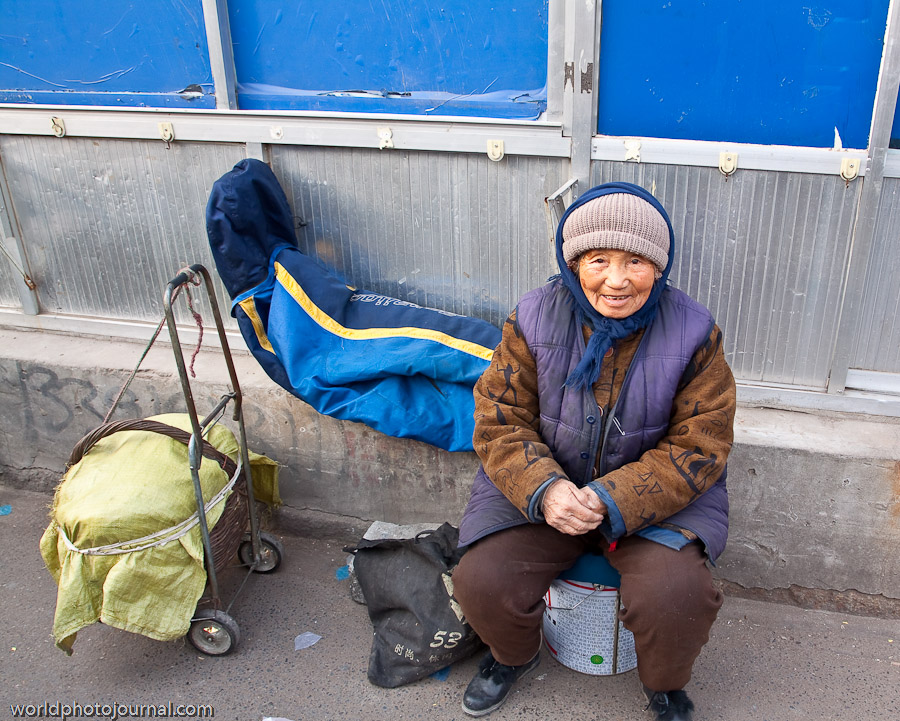
Hutong Streets, Beijing China
Ancient narrow alleyways where traditional street vendors and local life preserve centuries of Beijing’s cultural heritage.

The Hutongs of Beijing are narrow, winding alleyways that form the heart of the city’s old neighborhoods, representing centuries of Chinese urban living. These charming streets are lined with traditional courtyard homes, small shops, and street vendors who maintain the authentic spirit of old Beijing. Walking through the Hutongs offers visitors an intimate glimpse into daily life, where neighbors know each other, street commerce thrives, and traditional customs endure alongside modern China. The Hutongs are a living museum of Beijing’s layered history, where each corner tells stories of dynasties, invasions, and the resilience of community.

Highlights

  • Street vendors selling local goods and traditional crafts in authentic settings
  • Traditional courtyard homes (siheyuan) with characteristic architectural details
  • Vibrant street life and daily activities of local residents and merchants
  • Authentic cultural experience away from tourist-heavy attractions
  • Narrow alleyways revealing the organic urban design of ancient Beijing

What to Do

  • Photograph street vendors and their wares in natural settings
  • Explore on foot to discover hidden shops, cafes, and restaurants
  • Visit local markets and interact with merchants selling traditional goods
  • Take guided Hutong tours to learn history from local perspectives
  • Enjoy street food and regional delicacies from neighborhood vendors

Best Time to Visit

Spring (April-May) and autumn (September-October) offer pleasant weather and comfortable conditions for walking the narrow streets and photographing street scenes.

Getting There

Accessible by Beijing Metro (Lines 1, 2, 6, and others serve different Hutong areas). Taxis, ride-sharing apps, or organized Hutong tours are recommended for navigation.

Visitor Tips

  • Be respectful when photographing residents and vendors—always ask permission first
  • Wear comfortable walking shoes suitable for narrow, uneven alleyways
  • Visit early morning or late afternoon to avoid crowds and capture authentic street activity
  • Bring cash for purchases from street vendors who may not accept cards
  • Explore neighborhoods like Juer Hutong, Nanluoguxiang, and Shichahai for diverse experiences

Nearby

  • Forbidden City, Beijing
  • Beihai Park, Beijing
  • Temple of Heaven, Beijing
  • Summer Palace, Beijing
  • Jingshan Park, Beijing

The Hutongs of Beijing are more than just streets—they are the soul of the ancient capital. By walking these narrow alleyways and engaging with street vendors and local residents, you step outside of modern tourism and into the authentic, living heart of Beijing’s culture. Whether you’re photographing daily life, savoring street food, or simply absorbing the atmosphere, the Hutongs offer a profound connection to Chinese heritage that cannot be found in contemporary urban centers.

Location Map

Hutong Streets, Beijing China Read More »

Forbidden City Guard Post, Beijing China

Forbidden City Guard Post, Beijing China
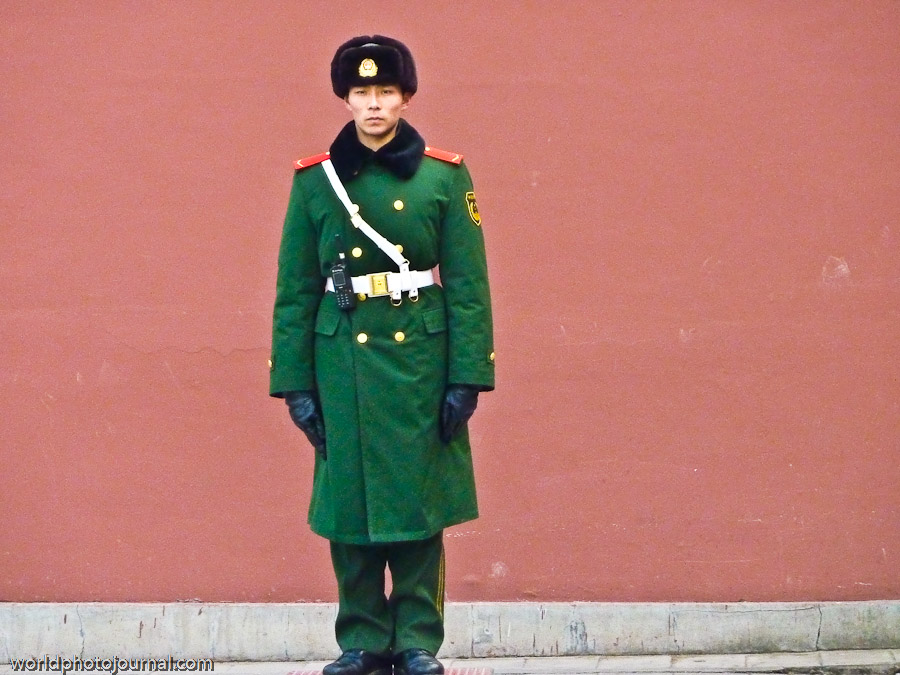
A solemn sentinel stands duty at one of the world’s most iconic imperial palaces, embodying centuries of Chinese tradition and pageantry.

The Forbidden City, nestled in the heart of Beijing, remains one of the most recognizable landmarks in the world. This expansive imperial palace complex served as home to Chinese emperors for nearly 500 years and stands as a testament to the architectural and cultural grandeur of ancient China. Today, ceremonial guards in traditional green uniforms patrol the crimson walls and courtyards, maintaining the historical authenticity and reverent atmosphere that defines this UNESCO World Heritage Site.

The guards themselves are an integral part of the Forbidden City experience, representing the military discipline and formality that once characterized imperial court life. Visitors from around the globe gather to witness these uniformed sentinels standing motionless against the distinctive red backdrop, creating striking photographic moments that capture the essence of China’s imperial heritage.

The palace complex encompasses nearly 1,000 buildings and covers 180 acres, making it the largest palace complex in the world. Every corner tells a story of emperors, concubines, and the intricate workings of imperial administration that shaped Chinese history.

Highlights

  • Watch the ceremonial guards in their distinctive green uniforms stand watch at various gates and courtyards
  • Explore nearly 1,000 buildings spanning nearly 500 years of imperial history
  • Admire the intricate architectural details and traditional Chinese design throughout the complex
  • Witness the iconic crimson walls that have guarded imperial secrets for centuries
  • Experience one of the world’s largest and best-preserved palace complexes

What to Do

  • Walk through the main courtyards and observe the changing of the guard ceremonies
  • Visit the Palace of Heavenly Purity and the Imperial Living Quarters
  • Explore the imperial gardens and landscaped courtyards
  • Browse the museum exhibits displaying imperial artifacts and treasures
  • Photography at various scenic points, especially with the guards as subjects
  • Attend special evening illumination events during peak seasons

Best Time to Visit

Spring (April-May) and autumn (September-October) offer comfortable temperatures and clear skies, ideal for photography and exploring the vast complex without extreme heat or cold.

Getting There

The Forbidden City is located in central Beijing. Access via Beijing Metro Line 1 (Tiananmen Dong or Tiananmen Xi stations), or by taxi/car. The main entrance is through Tiananmen Gate on the southern side.

Visitor Tips

  • Arrive early in the morning to beat the crowds and capture better photos of the guards
  • Wear comfortable walking shoes as the complex spans 180 acres with extensive ground to cover
  • Consider hiring an official guide to understand the historical significance of different areas
  • Photography is allowed, but be respectful of the guards on duty
  • Allow at least 3-4 hours for a comprehensive visit

Nearby

  • Tiananmen Square, one of the largest public plazas in the world
  • National Museum of China, showcasing Chinese art and history
  • Mausoleum of Mao Zedong, located south of the Forbidden City
  • Jingshan Park, offering panoramic views of the Forbidden City

A visit to the Forbidden City is a journey through the heart of imperial China, where every architectural detail and every uniformed guard tells a story of power, tradition, and cultural magnificence. Whether you’re drawn by history, photography, or simply the awe of standing within one of humanity’s greatest architectural achievements, the Forbidden City offers an unforgettable experience that connects you directly to centuries of Chinese civilization. Plan your visit today and walk the same paths once traveled by emperors.

Location Map

Forbidden City Guard Post, Beijing China Read More »

Nike Store Coming Soon, Beijing China

Nike Store Coming Soon, Beijing China
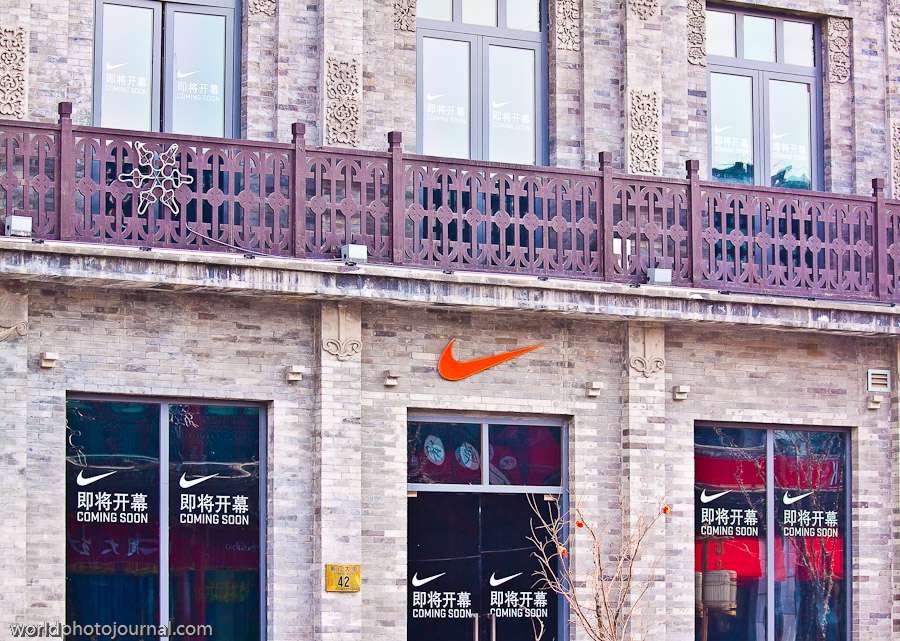
A glimpse into Nike’s expansion into Beijing’s vibrant retail landscape with modern storefront design in a historic brick building.

This photograph captures the anticipated opening of a Nike retail store in Beijing, showcasing the brand’s continued investment in China’s major metropolitan markets. The store features a striking modern facade with the iconic Nike Swoosh logo prominently displayed against a backdrop of classic brick architecture. The ‘Coming Soon’ signage in both Chinese and English reflects Beijing’s status as a global city where international brands establish flagship locations. The ornate wrought-iron balcony above hints at the building’s historical significance while the contemporary storefront design represents the blending of old and new that characterizes much of Beijing’s urban renewal.

Highlights

  • Iconic Nike Swoosh logo displayed prominently on the building facade
  • Modern retail design integrated into historic brick architecture
  • Bilingual ‘Coming Soon’ signage indicating international market positioning
  • Ornate wrought-iron balcony railings above the storefront showcasing architectural heritage

What to Do

  • Visit when the store officially opens to explore Nike’s latest product collections
  • Photograph the unique architectural blend of historic and contemporary design
  • Explore the surrounding neighborhood for other retail and cultural attractions

Best Time to Visit

After the official opening date; spring and autumn offer comfortable weather for shopping and exploring Beijing’s retail districts

Getting There

Accessible by Beijing Metro and local public transportation; specific address needed for precise directions

Visitor Tips

  • Check social media or local Beijing retail news for exact opening date
  • Arrive early on opening day for potential grand opening events
  • The surrounding area offers other shopping and dining options worth exploring

Nearby

  • Beijing’s historic neighborhoods and cultural districts
  • Other international retail brands and local boutiques
  • Traditional Chinese architecture and modern shopping centers

The opening of this Nike store represents more than just a retail expansion—it’s a testament to Beijing’s role as a global fashion and retail capital. When it opens, this location will offer visitors a chance to experience premium athletic wear in a space that honors both modern retail excellence and architectural heritage. Whether you’re a Nike enthusiast, architecture lover, or simply exploring Beijing’s dynamic retail scene, this store promises to be a noteworthy destination in China’s bustling capital.

Location Map

Nike Store Coming Soon, Beijing China Read More »

Tiananmen Square, Beijing China

Tiananmen Square, Beijing China
One of the world’s largest public squares and iconic symbol of China’s capital city

Tiananmen Square is a vast public plaza in the heart of Beijing, China, stretching across 440,000 square meters. Named after the Tiananmen Gate to its north, this monumental space serves as the geographic and symbolic center of Beijing. The square is surrounded by significant historical and cultural landmarks, making it one of the most visited tourist destinations in China and a quintessential experience for travelers seeking to understand Chinese history and culture.

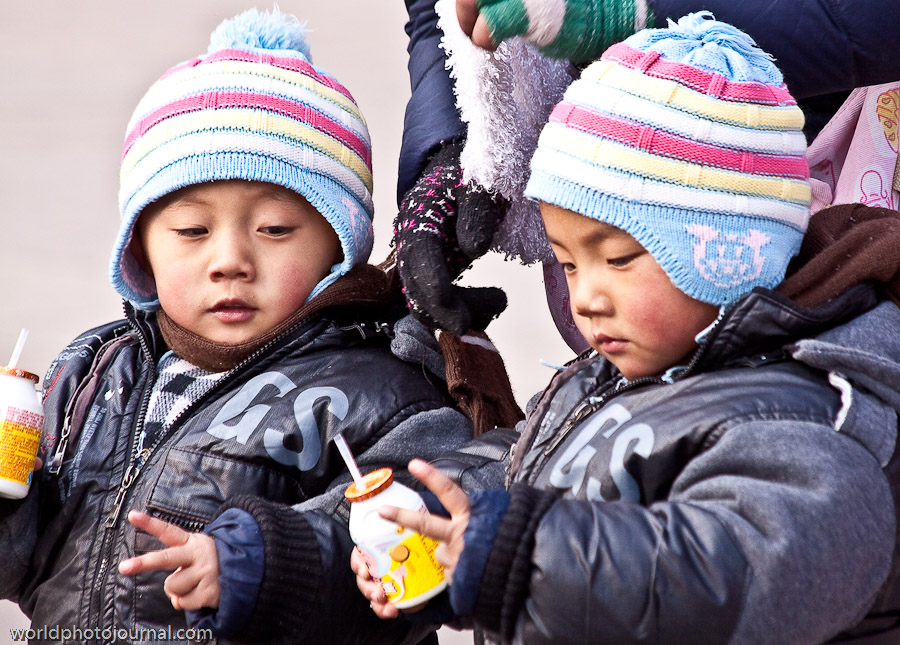
The square is a perfect vantage point for observing everyday life in Beijing, from families enjoying leisurely strolls to tourists from around the world capturing memories. The expansive plaza provides a unique atmosphere where you can see the blend of traditional Chinese culture with modern urban life, as evidenced by the children and families who gather here to celebrate and create lasting memories.

Highlights

  • Mausoleum of Mao Zedong, the revered founding father
  • National Museum of China showcasing Chinese art and history
  • Great Hall of the People, seat of the Chinese government
  • Monument to the People’s Heroes honoring revolutionary martyrs
  • Stunning views of the Forbidden City to the north

What to Do

  • Walk across the expansive plaza and take in the scale and grandeur
  • Visit the museums and historical monuments surrounding the square
  • Watch the flag-raising and flag-lowering ceremonies
  • Photograph iconic landmarks and capture authentic Beijing moments
  • Explore nearby hutongs and traditional neighborhoods

Best Time to Visit

Spring (April-May) and autumn (September-October) offer pleasant weather and fewer crowds than summer months

Getting There

Easily accessible by Beijing Metro Lines 1 and 2 at Tiananmen Square station; also reachable by bus or taxi from any part of Beijing

Visitor Tips

  • Arrive early to avoid crowds and enjoy the square’s atmosphere
  • Bring sunscreen and water as the plaza offers little shade
  • Security screening is required for entry; allow extra time
  • Visit during flag ceremonies for a special cultural experience
  • Winter can be extremely cold; dress warmly if visiting December-February

Nearby

  • Forbidden City, former imperial residence
  • National Center for the Performing Arts
  • Qianmen Street with traditional shops and restaurants
  • Temple of Heaven Park

Tiananmen Square represents the soul of Beijing—a place where history, culture, and everyday life converge in one monumental space. Whether you’re a history enthusiast, cultural explorer, or simply seeking to understand the heart of China, a visit to Tiananmen Square offers unforgettable insights into one of the world’s greatest civilizations. Come witness the grandeur and vitality of this iconic destination.

Location Map

Tiananmen Square, Beijing China Read More »

Beijing National Stadium (Bird’s Nest), Beijing China

Beijing National Stadium (Bird's Nest), Beijing China
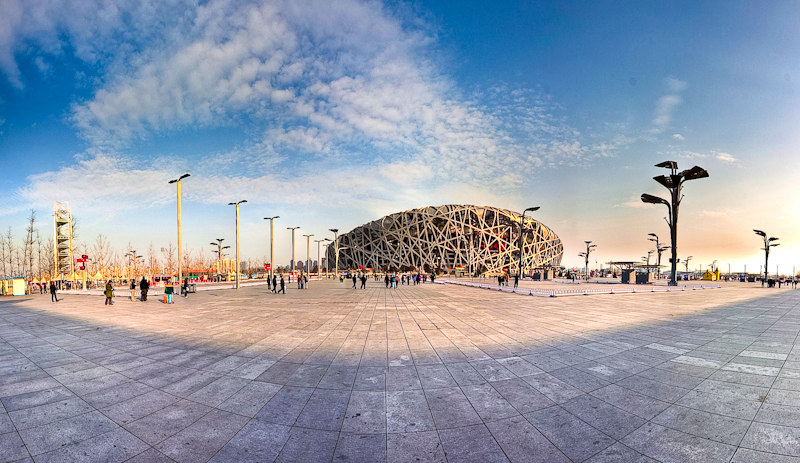
An iconic architectural masterpiece and symbol of modern China’s ambitious Olympic vision.

The Beijing National Stadium, affectionately known as the ‘Bird’s Nest’ for its distinctive woven steel structure, stands as one of the world’s most recognizable sports venues. Built for the 2008 Summer Olympics, this architectural marvel was designed by Swiss architects Herzog & de Meuron in collaboration with Chinese architect Li Xinggang. The stadium’s intricate lattice design creates a stunning visual effect, especially when illuminated at night, and represents a bold fusion of contemporary engineering with artistic vision. Today, it remains one of Beijing’s most visited attractions, drawing millions of visitors annually who come to marvel at its innovative design and learn about China’s hosting of the historic 2008 Olympics.

Highlights

  • Iconic woven steel structure inspired by traditional Chinese ceramics, creating a bird’s nest appearance
  • Capacity of 80,000 spectators with advanced engineering and architectural innovation
  • Expansive plaza surrounding the stadium offering perfect photo opportunities and views from all angles
  • Modern lighting system that transforms the structure into a glowing beacon at night

What to Do

  • Tour the interior of the stadium to learn about Olympic history and sporting achievements
  • Walk around the vast plaza at different times of day to capture the changing light and architectural details
  • Visit the nearby China National Stadium Exhibition to explore interactive exhibits about the 2008 Olympics
  • Photograph the distinctive lattice design from various vantage points throughout the surrounding area
  • Explore the Olympic Green Park complex and visit adjacent cultural attractions

Best Time to Visit

Spring (April-May) and autumn (September-October) offer the most pleasant weather with clear skies and comfortable temperatures ideal for exploring the outdoor plaza and photography.

Getting There

Easily accessible via Beijing’s metro system (Line 8,奥体中心/Olympic Sports Centre station). Located in the Olympic Green area in northern Beijing, approximately 15 km from the city center. Taxis and ride-sharing services are readily available.

Visitor Tips

  • Arrive early morning or late afternoon for the best lighting and fewer crowds for photography
  • Wear comfortable shoes as exploring the expansive plaza involves significant walking
  • Check ahead for any special events or closures that might affect access
  • Bring sunscreen and water, as the plaza offers minimal shade
  • Consider visiting during evening hours when the stadium’s lighting creates a spectacular sight

Nearby

  • Water Cube (China National Aquatics Centre)
  • Olympic Forest Park
  • China National Stadium Exhibition
  • Beijing National Convention Centre

The Bird’s Nest is more than just a sports stadium—it’s a testament to human creativity, engineering prowess, and China’s transformation on the world stage. Whether you’re an architecture enthusiast, Olympic history buff, or simply a curious traveler, this iconic landmark offers an unforgettable experience. Stand in the vast plaza, gaze up at the intricate steel lattice, and feel the energy of one of the world’s most remarkable architectural achievements.

Location Map

Beijing National Stadium (Bird’s Nest), Beijing China Read More »

Scroll to Top