
clownfish hosted by RBTA anemone video (HD)
clownfish hosted by RBTA anemone video (HD) Read More »
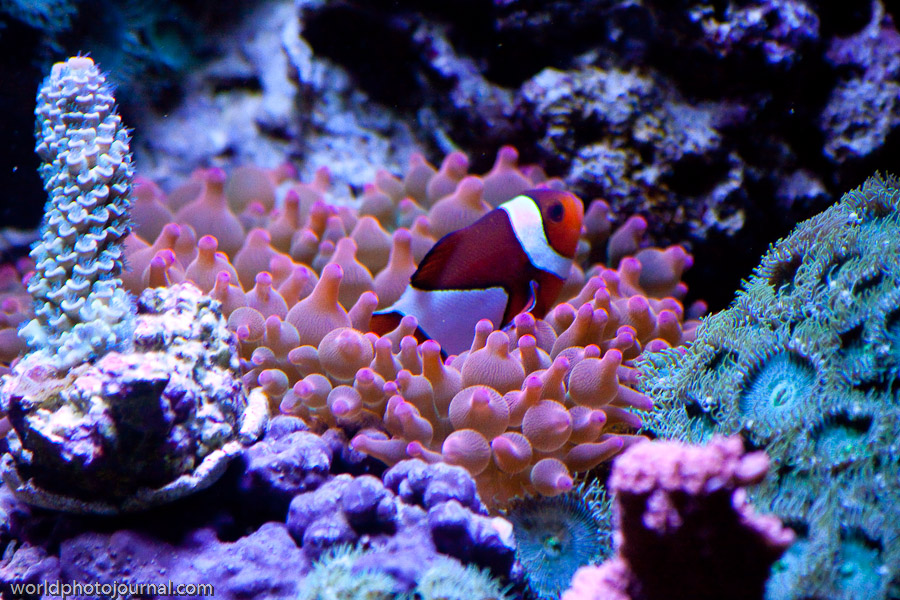
Coral reefs represent some of Earth’s most spectacular and biodiverse ecosystems, teeming with colorful fish, intricate coral formations, and fascinating symbiotic relationships. This underwater realm showcases the delicate balance of marine life, where iconic clownfish nestle safely within the tentacles of host anemones—particularly the Red and Black Tree Anemone (RBTA). These living gardens of the sea are found in tropical and subtropical waters around the globe, creating a mesmerizing landscape of blues, purples, and vibrant corals that captivates divers and snorkelers alike. The interplay of light filtering through the water illuminates countless species in their natural habitat, offering an unforgettable glimpse into one of nature’s most remarkable environments.
Dry season months (typically November to April in Northern Hemisphere reefs) offer the calmest waters, best visibility, and most comfortable diving conditions.
Access to coral reefs varies by location. Popular reef destinations include the Great Barrier Reef (Australia), Maldives, Caribbean islands, Southeast Asia, and the Red Sea. Most are reached via boat tours, liveaboard diving vessels, or shore-based diving operations.
Coral reefs are living treasures that demand our admiration and protection. Whether you’re an experienced diver or a curious snorkeler, witnessing the vibrant interaction between clownfish and their host anemones in a thriving reef ecosystem is an experience that will forever deepen your appreciation for the ocean’s wonders. Visit these magical underwater worlds responsibly and become an advocate for reef conservation.
Coral Reef Ecosystem, Tropical Ocean Waters Read More »
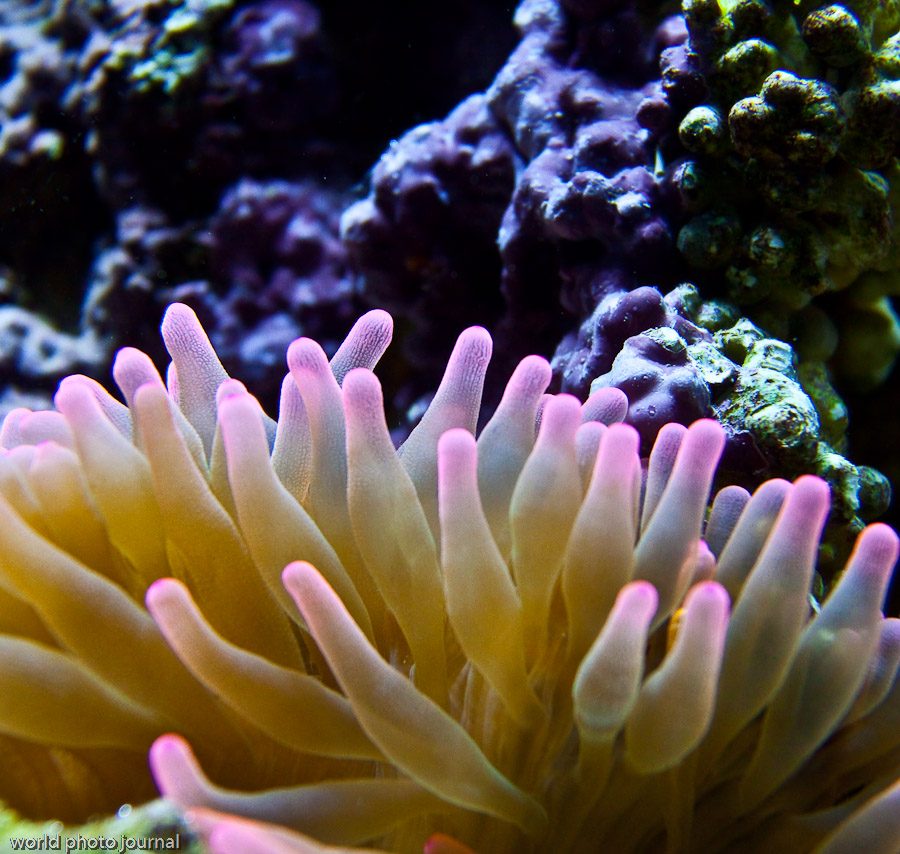
Coral reefs are among the most spectacular and vital ecosystems on our planet, thriving in warm tropical and subtropical waters. These underwater gardens host an extraordinary array of marine life, from the graceful pink anemones with their elegant tentacles to countless species of fish, crustaceans, and other invertebrates. The anemone pictured here exemplifies the stunning natural beauty found within these ecosystems, with its delicate pink and white tentacles creating a mesmerizing display under specialized aquarium lighting.
These living structures support approximately 25% of all marine species despite covering less than 1% of the ocean floor. Coral reefs are not just beautiful—they’re essential for maintaining ocean health, protecting coastlines, and supporting millions of people who depend on them for food and livelihoods.
Dry season months (varies by location) typically offer the best visibility and calmest waters for reef exploration
Coral reefs are found worldwide in tropical waters. Popular destinations include the Great Barrier Reef (Australia), Caribbean reefs, Southeast Asian reefs (Indonesia, Philippines, Thailand), and Red Sea reefs (Egypt). Access via local dive operators and snorkel tours from coastal towns.
The delicate beauty of anemones and the thriving coral reef ecosystem remind us of nature’s incredible artistry and resilience. Whether you experience these wonders firsthand through snorkeling and diving or through stunning aquarium displays, coral reefs offer an unforgettable journey into one of Earth’s most precious underwater worlds. Plan your visit today and become part of the movement to protect these vital ecosystems for future generations.
Coral Reef Ecosystem, Tropical Ocean Waters Read More »
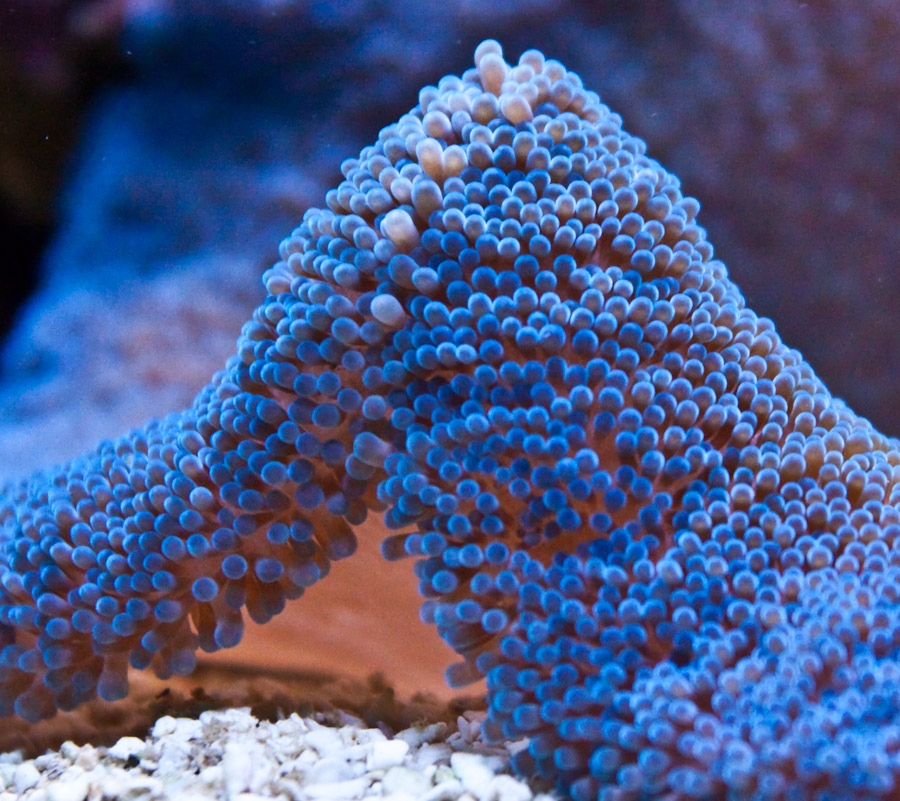
The Haddoni blue carpet anemone is one of the most spectacular marine organisms found in tropical coral reef ecosystems throughout the Indo-Pacific region. This large sea anemone is renowned for its brilliant blue coloration and densely packed tentacles that create a carpet-like appearance across the reef floor. These fascinating creatures thrive in shallow to moderate depths where sunlight penetrates, creating an otherworldly underwater landscape that captivates divers and marine enthusiasts from around the world.
Year-round in tropical regions; best during dry seasons (November-April in most Indo-Pacific locations) when water clarity is optimal
Access via dive operators and snorkel tours departing from major reef destinations in Indonesia, Philippines, Great Barrier Reef, and other Indo-Pacific coral reef regions
The Haddoni blue carpet anemone represents the extraordinary beauty and complexity of coral reef ecosystems. Witnessing these magnificent creatures in their natural habitat is an unforgettable experience that inspires conservation efforts and deepens our connection to the ocean’s wonders.
Haddoni Blue Carpet Anemone Habitat, Coral Reef Ecosystem Read More »
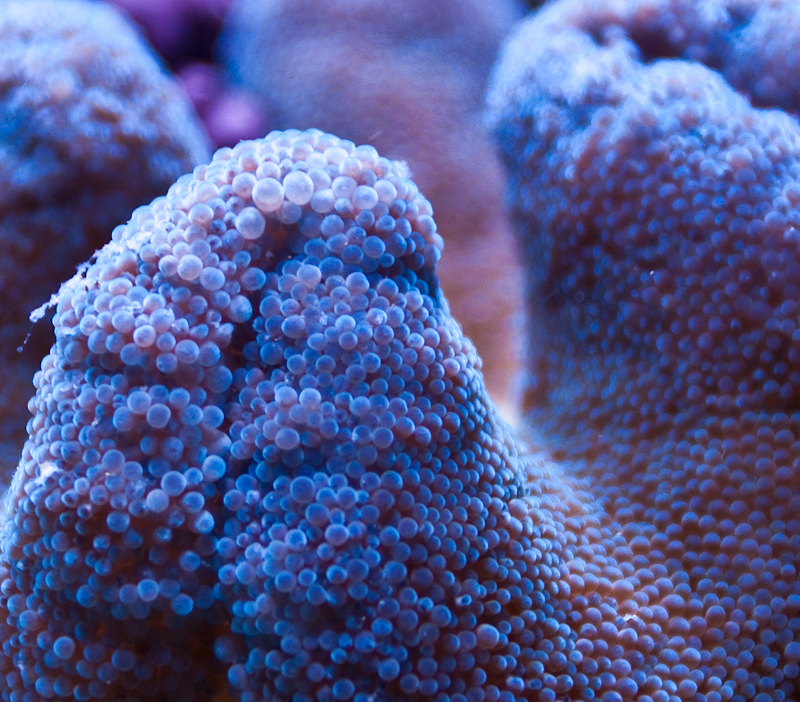
Blue carpet anemones are among the most stunning creatures found in coral reef ecosystems, displaying intricate patterns and brilliant coloration that captivate divers and marine enthusiasts alike. These remarkable sea anemones thrive in the warm, nutrient-rich waters of tropical and subtropical reefs, where they create their own microhabitats. The delicate, spherical tentacles create a carpet-like appearance that gives these anemones their distinctive name, making them a highlight of any reef exploration.
Year-round in tropical regions, with peak visibility during dry seasons (typically November-April depending on location) when water clarity is optimal
Access coral reefs through established dive shops and snorkel tour operators in coastal tropical destinations such as the Great Barrier Reef, Caribbean islands, Southeast Asia, and the Red Sea
The blue carpet anemone represents the extraordinary complexity and beauty of coral reef ecosystems. By visiting and supporting reef conservation efforts, you become part of protecting these vital underwater worlds for future generations. Immerse yourself in the wonder of marine life and witness the intricate dance of creatures that call the coral reef home.
Blue Carpet Anemone Coral Reef Habitat Read More »